
Top Video Game Companies in Germany: A Comprehensive Guide 2026
Updated January 2026. Germany’s game development scene has changed a lot. With more than 900 studios in Munich, Berlin, Hamburg, and Cologne, the key is not to find the ‘best’ partner, but the one that matches your project, budget, and timeline.
What Makes German Game Studios Different?
Before we look at specific companies, let’s see what makes German development unique:
Technical precision meets creative innovation
German studios built their reputations on engine development (Crytek’s CryEngine pioneered bump mapping) and technical excellence. But the 2024-2026 shift towards AI-assisted development and procedural generation has created a new breed of technically sophisticated yet creatively agile studios.
The Gamescom advantage
Studios based near Cologne benefit from direct access to Europe’s largest gaming event. Gamescom isn’t just marketing. It means these teams are constantly exposed to industry shifts, publisher needs and emerging technologies months before they hit mainstream.
Regulatory expertise for European markets
If you’re targeting EU players, German studios navigate GDPR, age ratings and regional compliance requirements in their sleep. This saves you months of legal headaches.
How to Choose: Match Your Project Type to Studio Strengths
For Full-Cycle Development from Concept to Launch
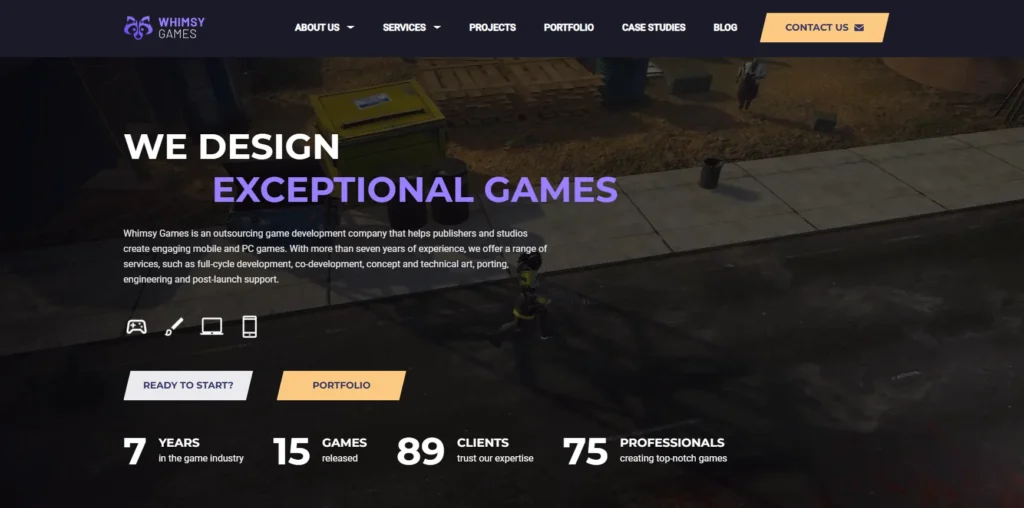
Whimsy Games – Best for: AR/VR projects, mobile-first games, studios needing flexible co-development across Europe.
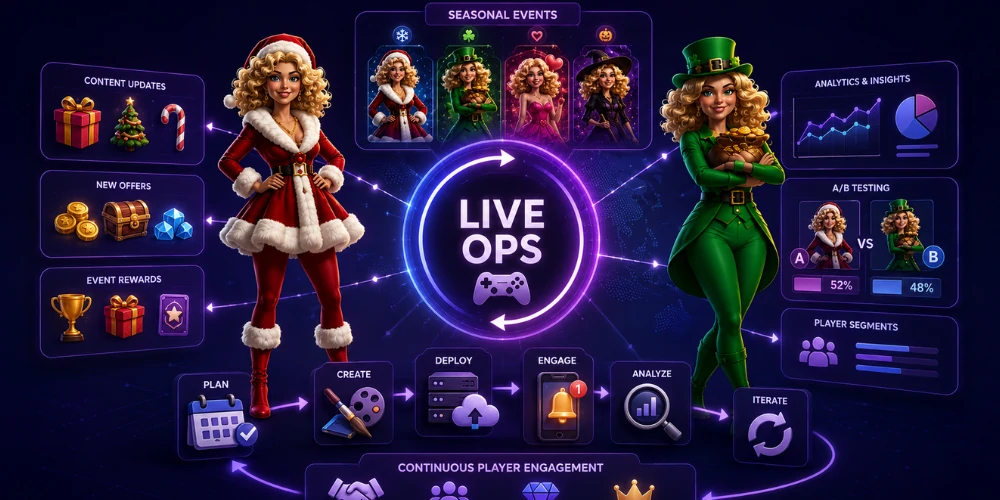
What sets them apart: 60% senior-level staff, proven track record with both indie and AAA clients across the European market. They handle everything from initial concept through live ops maintenance.
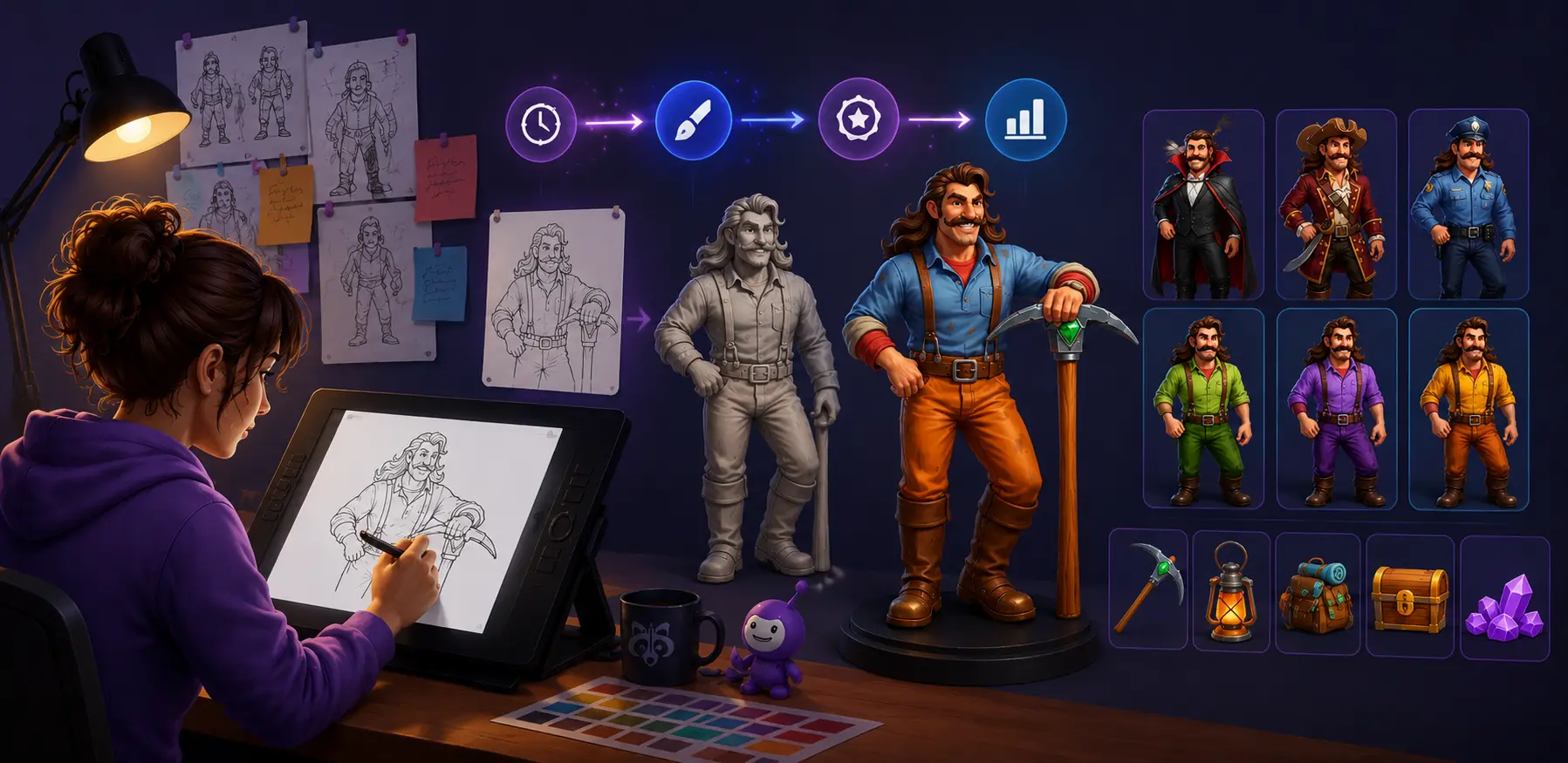
European Market Leadership: While Whimsy Games doesn’t have a physical office in Germany yet, they actively work with numerous German game studios and publishers as a trusted European outsourcing partner. Their client base spans Munich, Berlin, Hamburg and Cologne – the key German gaming hubs – providing art outsourcing, full-cycle development and specialized AR/VR services to both German indie studios and established publishers.
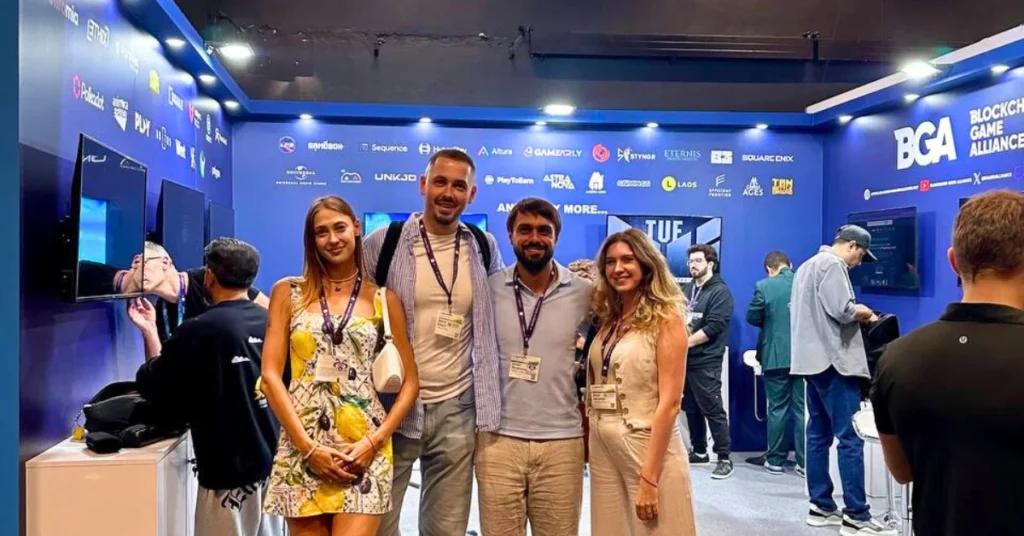
Their presence at Gamescom 2025 demonstrated their commitment to the German market, where they connected with dozens of studios seeking reliable European partners who understand regional compliance, GDPR requirements and EU market dynamics.
When to choose them: You need a European partner who can scale with your project – starting with art outsourcing and potentially expanding to full development. Their AR/VR specialisation makes them ideal if you’re exploring immersive technologies. German studios frequently partner with Whimsy Games on projects that require flexible engagement models without sacrificing quality.
Real differentiator: German-style precision and work ethic combined with flexible engagement models. You can start with a single feature and scale to full-cycle development without switching partners. Their understanding of European gaming markets (Germany, UK, France, Nordic countries) means they navigate regional requirements seamlessly.
European timezone advantage: Unlike Asian or American outsourcing partners, Whimsy Games operates in European business hours, making real-time collaboration with German studios effortless.
For Browser & Mobile Free-to-Play
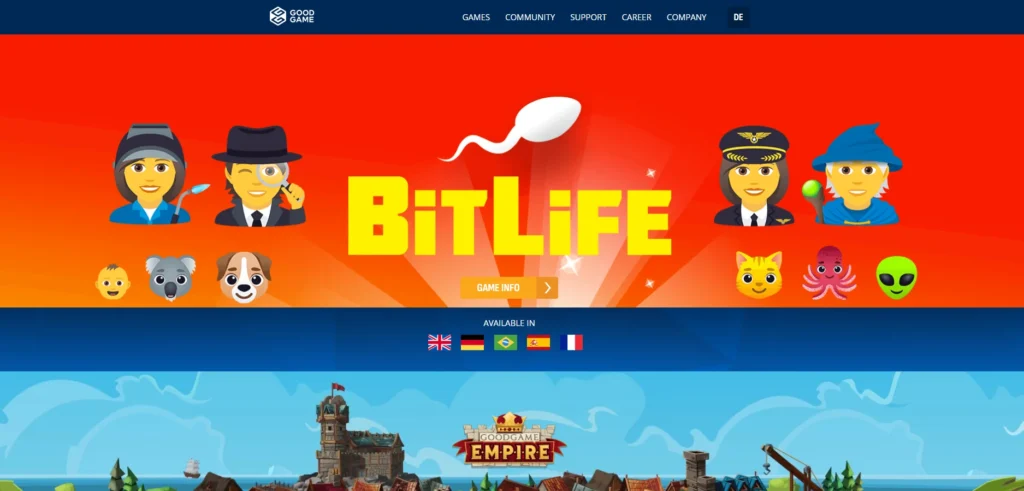
Goodgame Studios – Best for: Massive-scale F2P, proven monetisation models.
Track record: 500 million+ players across Goodgame Empire and Big Farm. Now part of Stillfront Group, they combine German engineering with Swedish publishing expertise.
When to choose them: You’re building for scale from day one. Their experience with long-term player retention (Empire has been running since 2011) means they understand live service economics better than most.
Watch out for: They focus on their own IP. If you need work-for-hire, look elsewhere.
For Strategy & Simulation Games
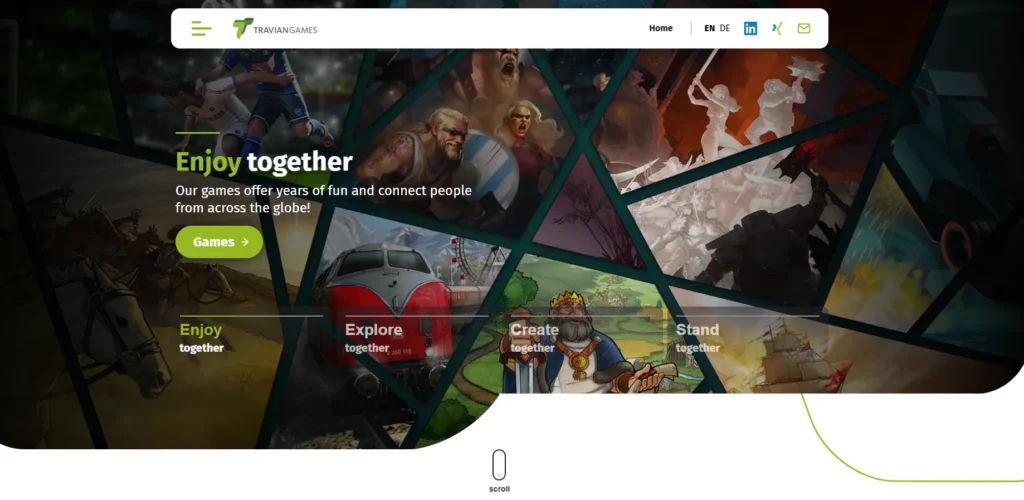
Travian Games – Best for: Long-term player engagement, international markets.
Proven reach: 150 million registered users across 200 countries, 42 languages.
When to choose them: Your game requires deep strategic systems and you’re targeting global markets. Their experience with Travian: Legends (running since 2004) shows they understand how to maintain player communities for decades.
For AAA Third-Person Action
Yager – Best for: Narrative-driven AAA experiences, cinematic production values.
Known for: Spec Ops: The Line (2012 Best Story award), Dead Island 2 collaboration. Now backed by Tencent.
When to choose them: You need proven AAA production expertise with strong narrative focus. Their Tencent backing means they have resources for ambitious projects.
Reality check: They’re selective about projects and typically work on their own IP or major publisher collaborations. Expect higher budgets and longer timelines.
For Next-Gen MMO Technology
Klang Games – Best for: Innovative multiplayer systems, experimental gameplay
Focus: “Next-generation” multiplayer experiences using cutting-edge tech.
When to choose them: You’re building something that doesn’t exist yet. They’re not the safe choice – they’re the ambitious choice.
For AR/VR & Cross-Platform Development
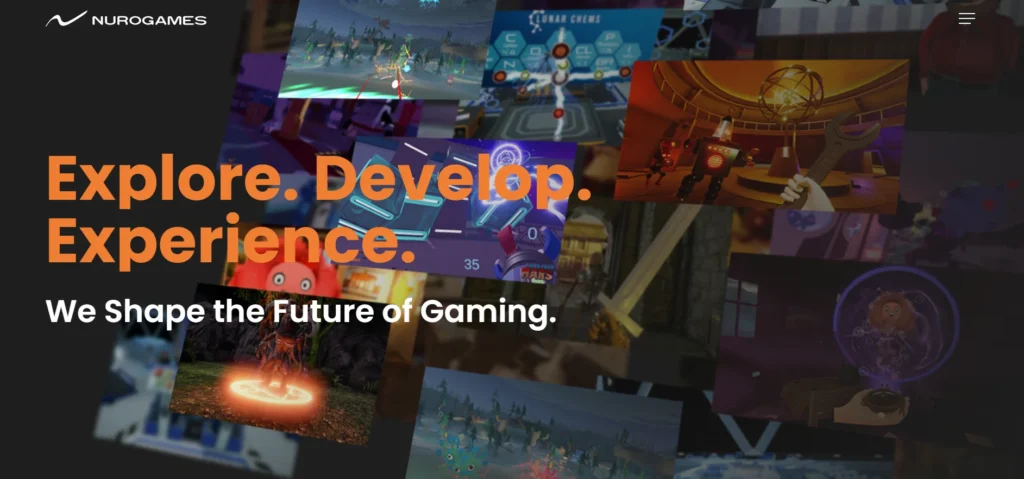
Nurogames – Best for: Educational games, VR/AR applications, cross-platform deployment
Specialisation: VR/AR for gaming, social and educational purposes. End-to-end development across mobile, web, PC, console and XR.
When to choose them: You need expertise in emerging platforms or you’re building educational/serious games alongside entertainment titles.
For Indie Publishing Support
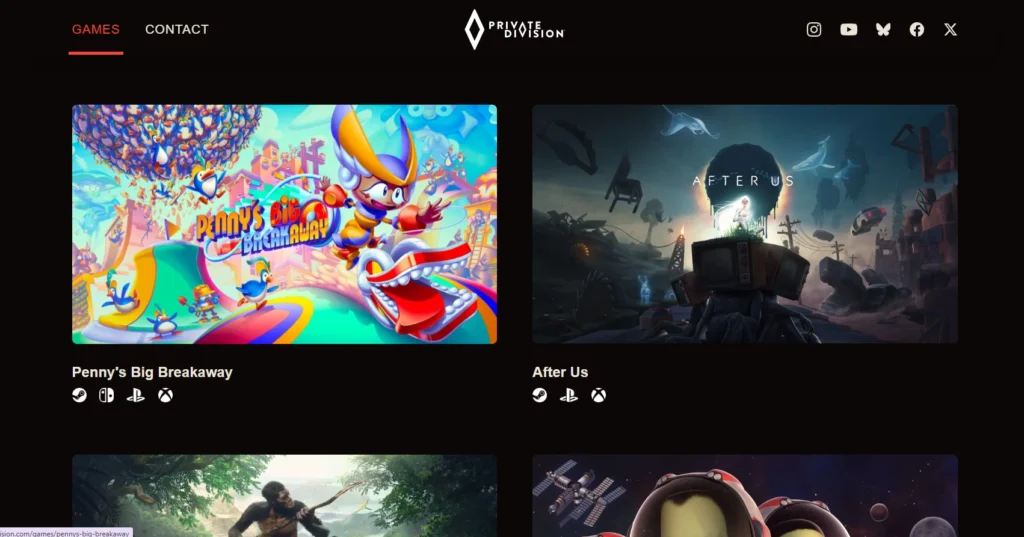
Private Division – Best for: Indie studios needing AAA-level support
Model: Bridge between indie creativity and AAA production values. Offices in New York, Seattle and Munich.
When to choose them: You’ve got a strong indie concept but need marketing, QA and distribution support to reach global audiences. They don’t develop – they amplify what you’ve built.
What Actually Matters When Choosing (Based on 50+ Partnership Evaluations)
1. Communication infrastructure
Can they work in your timezone? Do they have English-fluent project managers? German studios are technically excellent, but communication gaps kill projects faster than technical issues.
European timezone alignment matters: Studios working across Germany, UK and Nordic regions need partners in compatible timezones. Whimsy Games’ European focus means real-time collaboration during German business hours – no waiting overnight for responses from Asian or American partners.
2. Previous work in YOUR genre
A studio that built a successful strategy game won’t automatically excel at fast-paced shooters. Look for genre-specific experience, not just impressive portfolios.
3. Flexibility vs. process rigidity
Larger German studios often have established processes that ensure quality but limit flexibility. Smaller studios adapt faster but may lack enterprise-grade project management. Know which you need.
4. Actual availability
Top studios book 6-12 months ahead. If you need to start next month, you’re looking at mid-tier options or studios between projects.
Budget Reality Check (2026 Rates)
Based on current European market rates:
- Full-cycle mobile game: €40K-€200K depending on complexity
- AR/VR experience: €70K-€200K+ (cutting-edge tech commands premium)
- Art outsourcing only: €15K-€100K based on asset volume
- Live ops/maintenance: €20K-€100K annually
German studios typically cost 20-30% more than Eastern European alternatives but deliver 40-50% faster with fewer revision cycles. The total cost often balances out.
European outsourcing advantage: Partners like Whimsy Games offer Western European quality standards at more competitive rates than German studios, while maintaining the timezone and cultural alignment German teams need.
Red Flags to Watch For
Portfolio padding: Studios showing work they only contributed small pieces to. Ask specifically what THEY built vs. what partners handled.
Vague timelines: “It depends” is fine for initial discussions. But if they can’t give you ballpark estimates after understanding your scope, they’re either inexperienced or hiding capacity issues.
No references: Legitimate studios happily connect you with past clients. If they won’t, there’s a reason.
How to Actually Start
Step 1: Define your non-negotiables
- Budget range (be realistic)
- Timeline (include buffer)
- Must-have technical capabilities
- Deal-breakers (e.g., “must have VR experience” or “must work European hours”)
Step 2: Narrow to 3-5 studios matching your criteria
Consider both German studios and European partners who actively serve the German market (like Whimsy Games, who work extensively with German clients).
Step 3: Request case studies in your specific genre
Don’t just look at portfolios – ask for detailed breakdowns of similar projects including challenges faced and how they solved them.
Step 4: Test communication before committing
Do a small paid prototype or art test. You’ll learn more in two weeks of working together than six months of sales calls.
The German Advantage in 2026
Germany’s gaming industry is shifting from “technically excellent but creatively conservative” to “technically excellent AND experimentally bold.” Studios here are early adopters of AI-assisted development, procedural generation and real-time rendering advances.
The German Games Industry Association reports that German game development revenue reached €10.2 billion in 2025, with significant growth in the outsourcing and co-development sectors.
If you’re building something technically ambitious – especially in AR/VR, multiplayer systems or cross-platform experiences – German studios and their European partners offer expertise that’s hard to find elsewhere.
But if you need a straightforward mobile game on a tight budget, you’re paying for capabilities you won’t use. Know what you actually need.
European collaboration ecosystem: The strongest German projects often combine local expertise with European outsourcing partners. Studios in Munich and Berlin frequently partner with specialists across Europe for art production, technical features or full co-development – creating hybrid teams that leverage the best talent across the continent.