

Educational Game Development Company
Whimsy Games builds educational games that people want to play. We design every game around a clear learning goal, whether you need a phonics game for first graders, a STEM simulation for an EdTech platform, or a compliance training module for 5,000 employees. Our team takes you from concept to launch, and after launch, we keep improving the game based on how learners play it.
professionals
creating top-notch games
years
in the game industry
developed
games
clients
trust our expertise
About Services
Whimsy Games provides educational game development services for companies that want learning products with the quality of commercial games. We combine instructional design with the skills our team built on 100+ entertainment titles: engaging mechanics, polished art, and stable performance on every device. Tell us about your learners and goals, and we’ll suggest the best way to build your game.
Educational Game Development Services We Offer
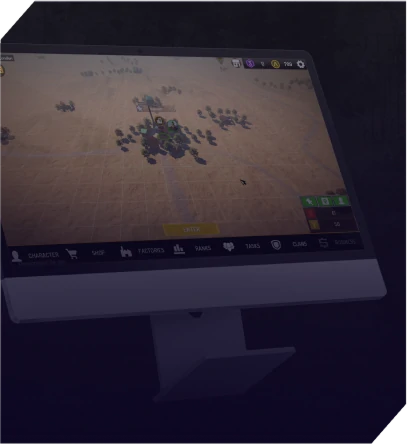
Custom Educational Game Development
We handle the full cycle: concept, game design document, prototype, production, QA, and launch, all with one team. You get a game designed for your subject, your age group, and your platform instead of a reskinned template. Our custom game development process is designed for projects with complex content and a specific audience.
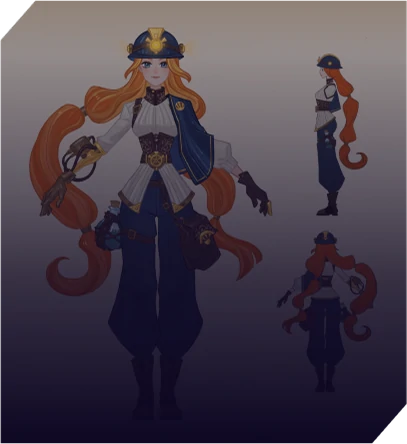
Game-Based Learning & Serious Games
Some topics are easier to learn by doing than by reading: physics, financial literacy, safety procedures, language practice. We design games where playing is the lesson itself, using simulations, branching scenarios, and mechanics that reward the skill you want learners to build.
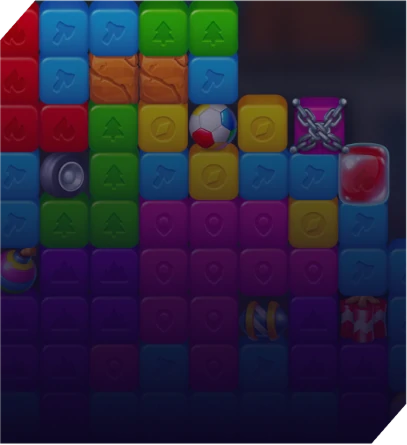
Gamification for Learning Platforms & EdTech Apps
You may already have a learning product and simply want people to come back to it. We add progression systems, streaks, rewards, challenges, and mini-games to existing apps and platforms without rebuilding the core. Our gamification services include the design logic behind each mechanic, so you know why it motivates learners.
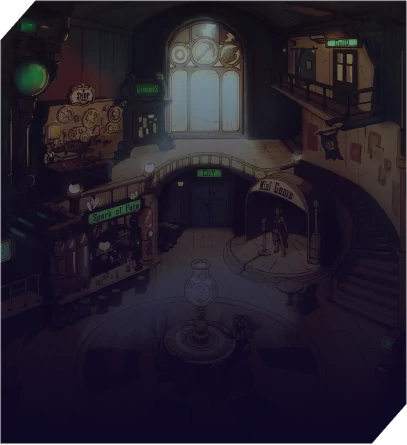
Instructional & Curriculum Design
Our game designers work with your subject-matter experts, teachers, or curriculum specialists to turn standards and learning objectives into levels, tasks, and feedback loops. Difficulty adapts to the learner, and each activity maps to a specific outcome you can report on.
Educational Game Art & Animation
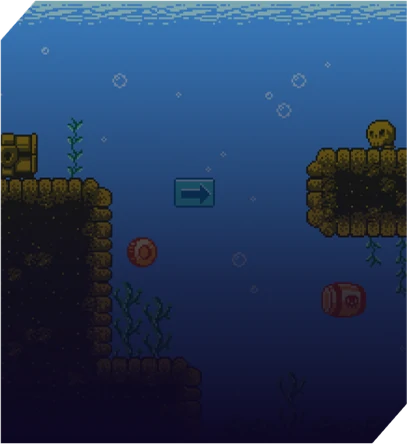
Characters matter a lot in learning games: children engage with them, and adults trust a product that looks polished. Our artists create 2D and 3D characters, environments, UI, and animation in a style suited to the age group, from bright preschool worlds to clean corporate simulations. See our game art and animation services for examples.
AR/VR Educational Experiences
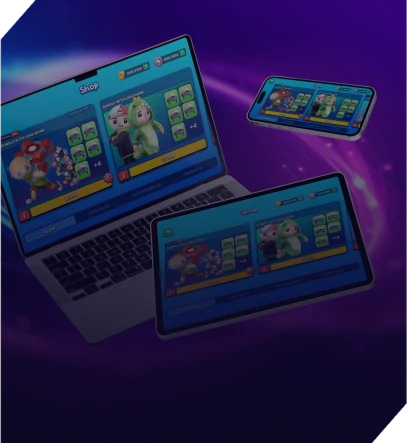
Immersive formats work well for subjects that are hard to show on a flat screen: anatomy, chemistry, historical sites, equipment training. We build AR/VR applications for mobile devices and headsets. Interactions are designed for short sessions so they fit into classroom or training schedules.
LMS Integration & Learning Analytics
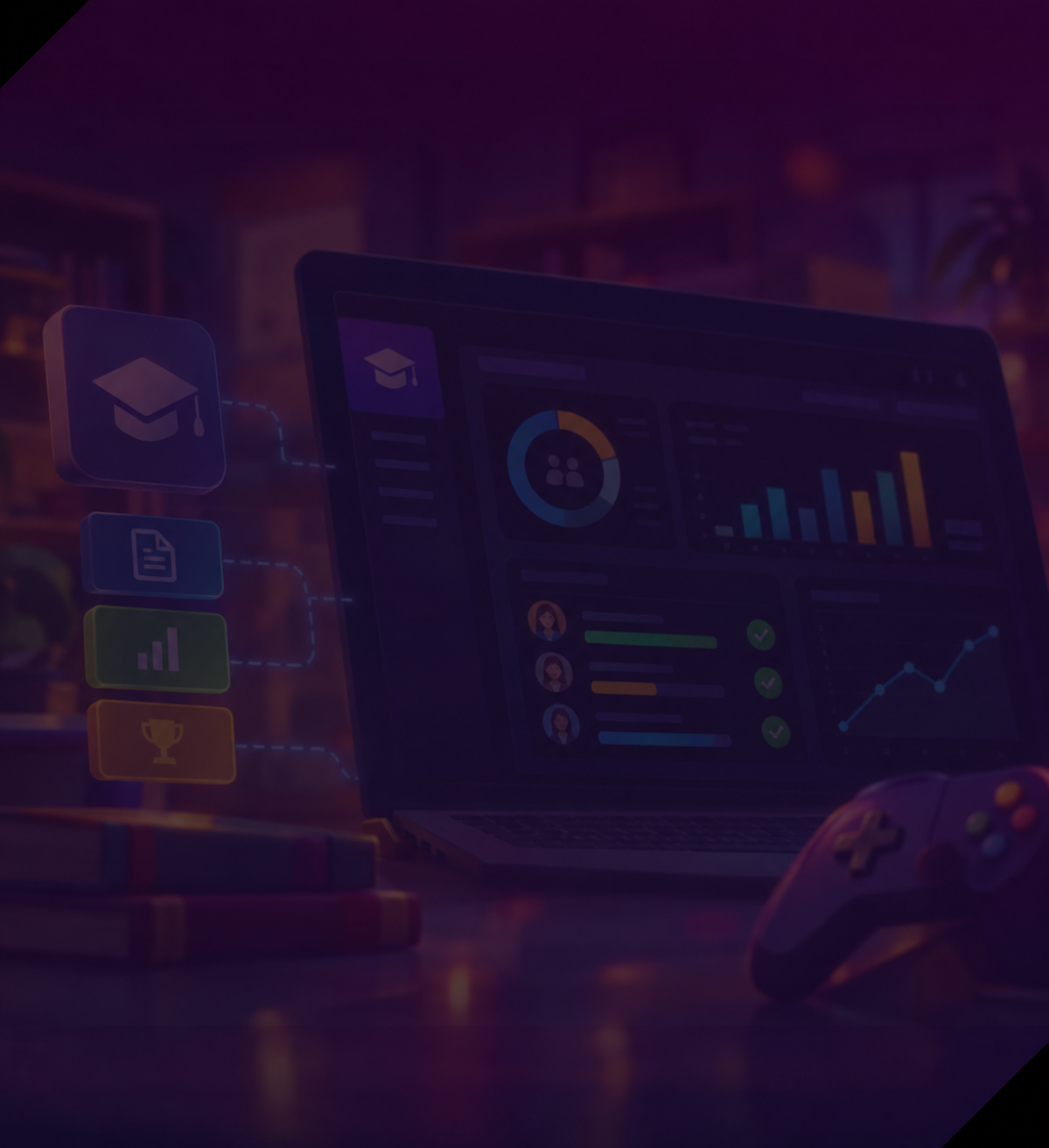
A learning game needs to report back. We connect games to your LMS through SCORM, xAPI, or LTI and track completion, scores, time on task, and progress per learning objective. Teachers and L&D managers see results in the tools they already use.
Post-Release Support & Content Updates
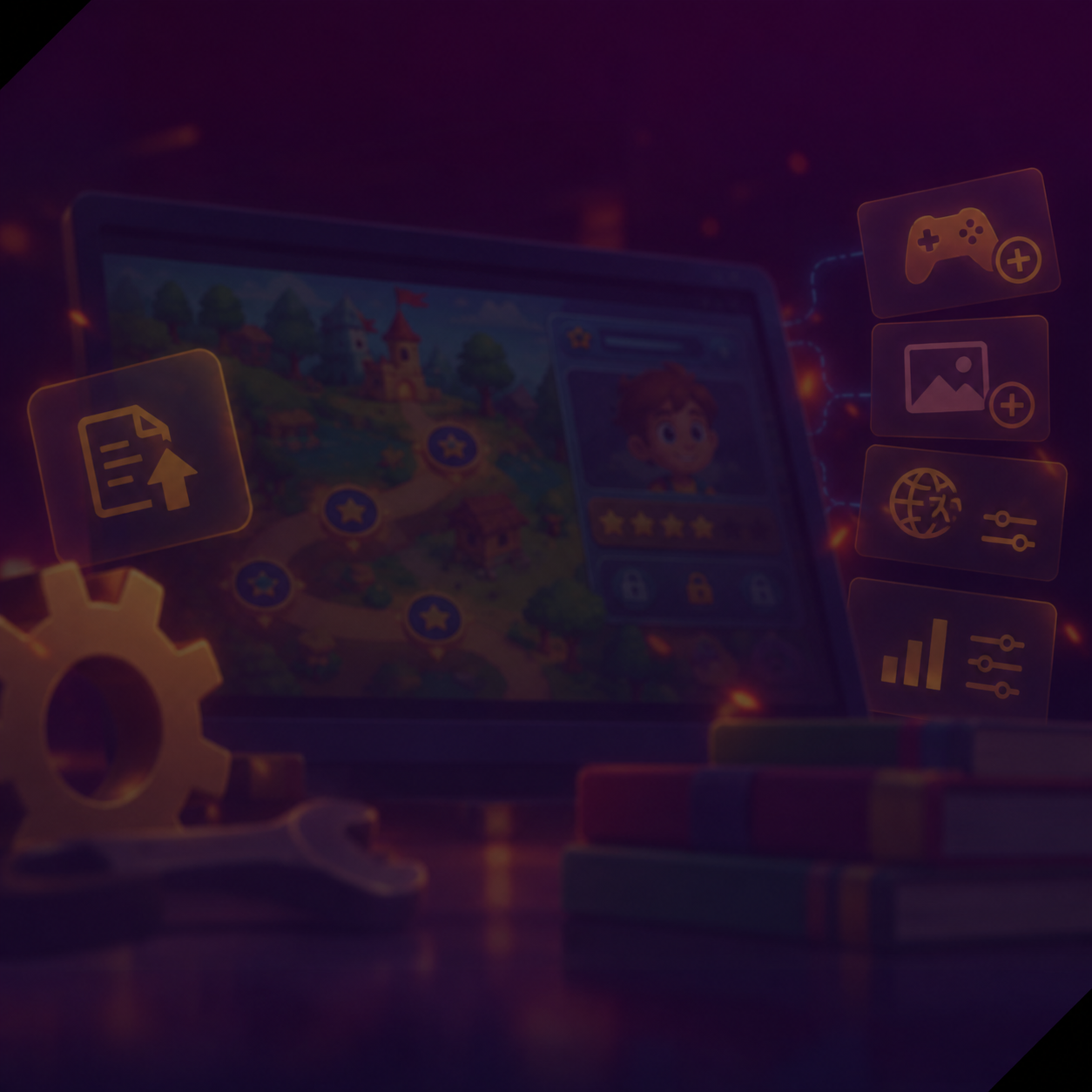
Curricula change, and so do learners. After launch, we fix bugs, add new levels and subjects, localize content, and tune difficulty based on real player data. For long-running products, our live-ops team keeps the game current between school years.
Custom Educational Game Development
We handle the full cycle: concept, game design document, prototype, production, QA, and launch, all with one team. You get a game designed for your subject, your age group, and your platform instead of a reskinned template. Our custom game development process is designed for projects with complex content and a specific audience.
Game-Based Learning & Serious Games
Some topics are easier to learn by doing than by reading: physics, financial literacy, safety procedures, language practice. We design games where playing is the lesson itself, using simulations, branching scenarios, and mechanics that reward the skill you want learners to build.
Gamification for Learning Platforms & EdTech Apps
You may already have a learning product and simply want people to come back to it. We add progression systems, streaks, rewards, challenges, and mini-games to existing apps and platforms without rebuilding the core. Our gamification services include the design logic behind each mechanic, so you know why it motivates learners.
Instructional & Curriculum Design
Our game designers work with your subject-matter experts, teachers, or curriculum specialists to turn standards and learning objectives into levels, tasks, and feedback loops. Difficulty adapts to the learner, and each activity maps to a specific outcome you can report on.
Educational Game Art & Animation
Characters matter a lot in learning games: children engage with them, and adults trust a product that looks polished. Our artists create 2D and 3D characters, environments, UI, and animation in a style suited to the age group, from bright preschool worlds to clean corporate simulations. See our game art and animation services for examples.
AR/VR Educational Experiences
Immersive formats work well for subjects that are hard to show on a flat screen: anatomy, chemistry, historical sites, equipment training. We build AR/VR applications for mobile devices and headsets. Interactions are designed for short sessions so they fit into classroom or training schedules.
LMS Integration & Learning Analytics
A learning game needs to report back. We connect games to your LMS through SCORM, xAPI, or LTI and track completion, scores, time on task, and progress per learning objective. Teachers and L&D managers see results in the tools they already use.
Post-Release Support & Content Updates
Curricula change, and so do learners. After launch, we fix bugs, add new levels and subjects, localize content, and tune difficulty based on real player data. For long-running products, our live-ops team keeps the game current between school years.
Who We Build Educational Games For
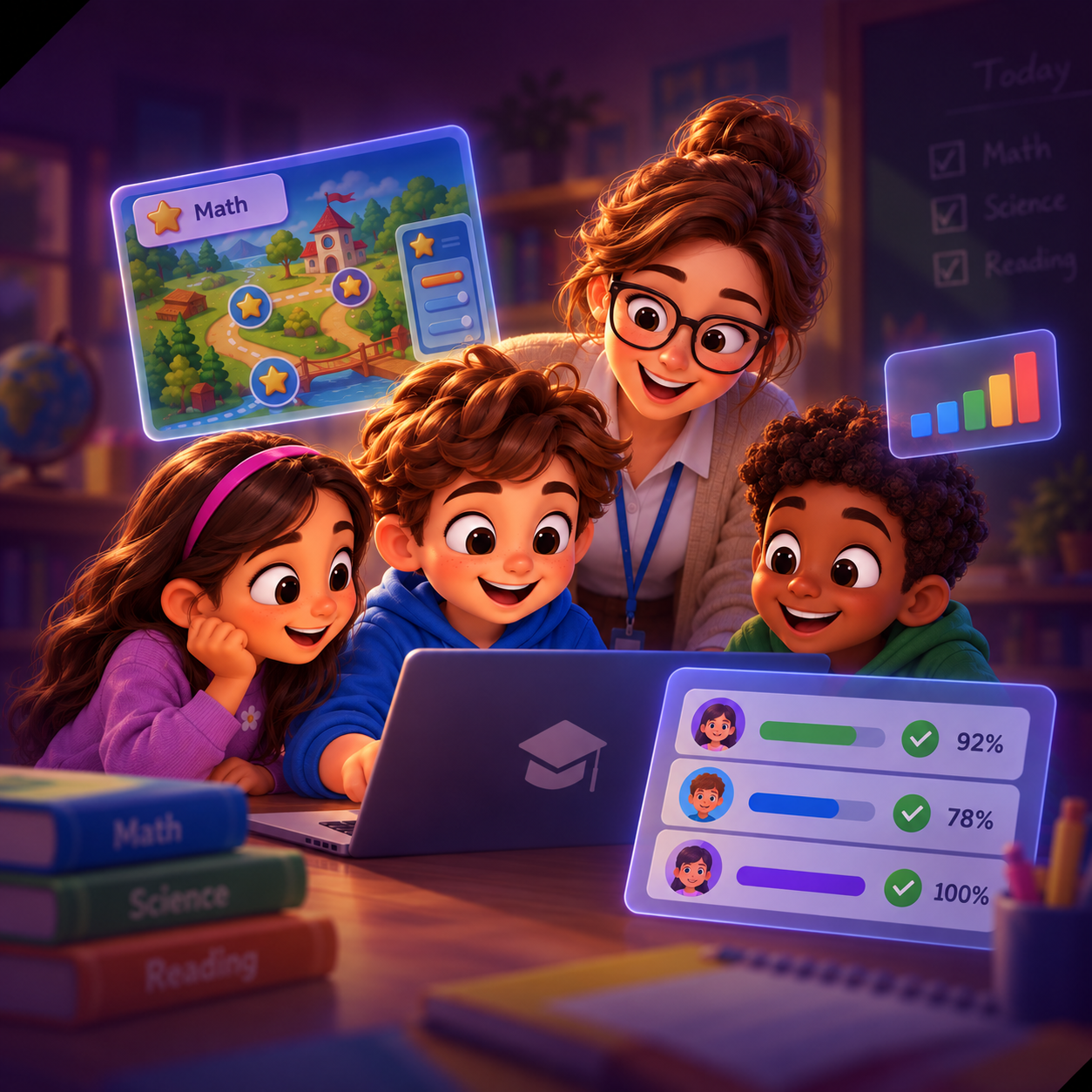
K-12 Schools and Districts
Classroom games have to work within real constraints: shared devices, short lessons, mixed skill levels, and strict rules on student data. We build lightweight HTML5 games that run in the browser on Chromebooks and tablets with no installation required. Every task is tied to a curriculum standard, and teachers get a simple view of how each student is progressing.
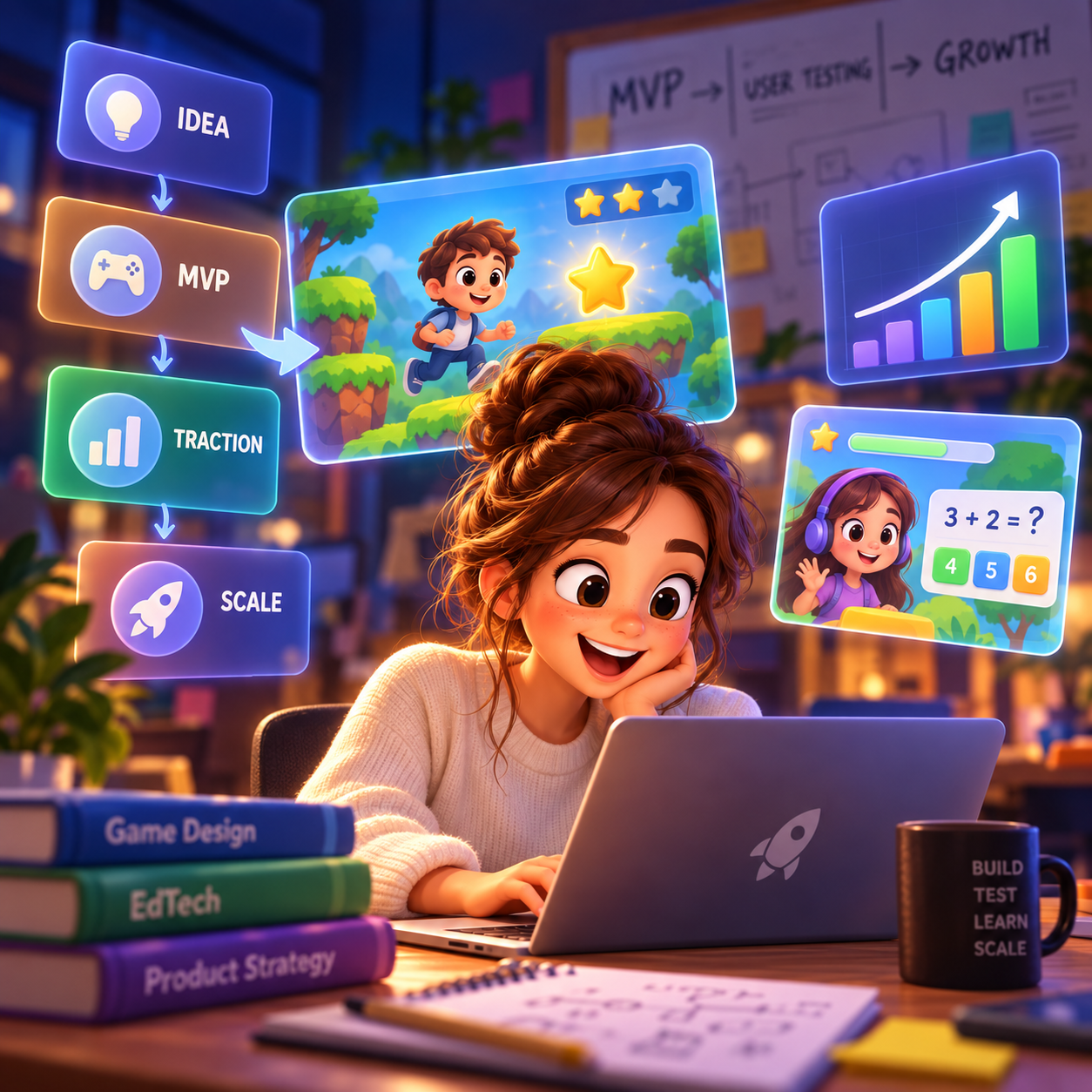
EdTech Startups
Startups need to show traction before the next funding round. We help you get from idea to a playable MVP quickly, test it with real learners, and then scale content and features once the model is proven. If you already have an in-house team, we can plug in as a co-development partner for game design, art, or engineering.
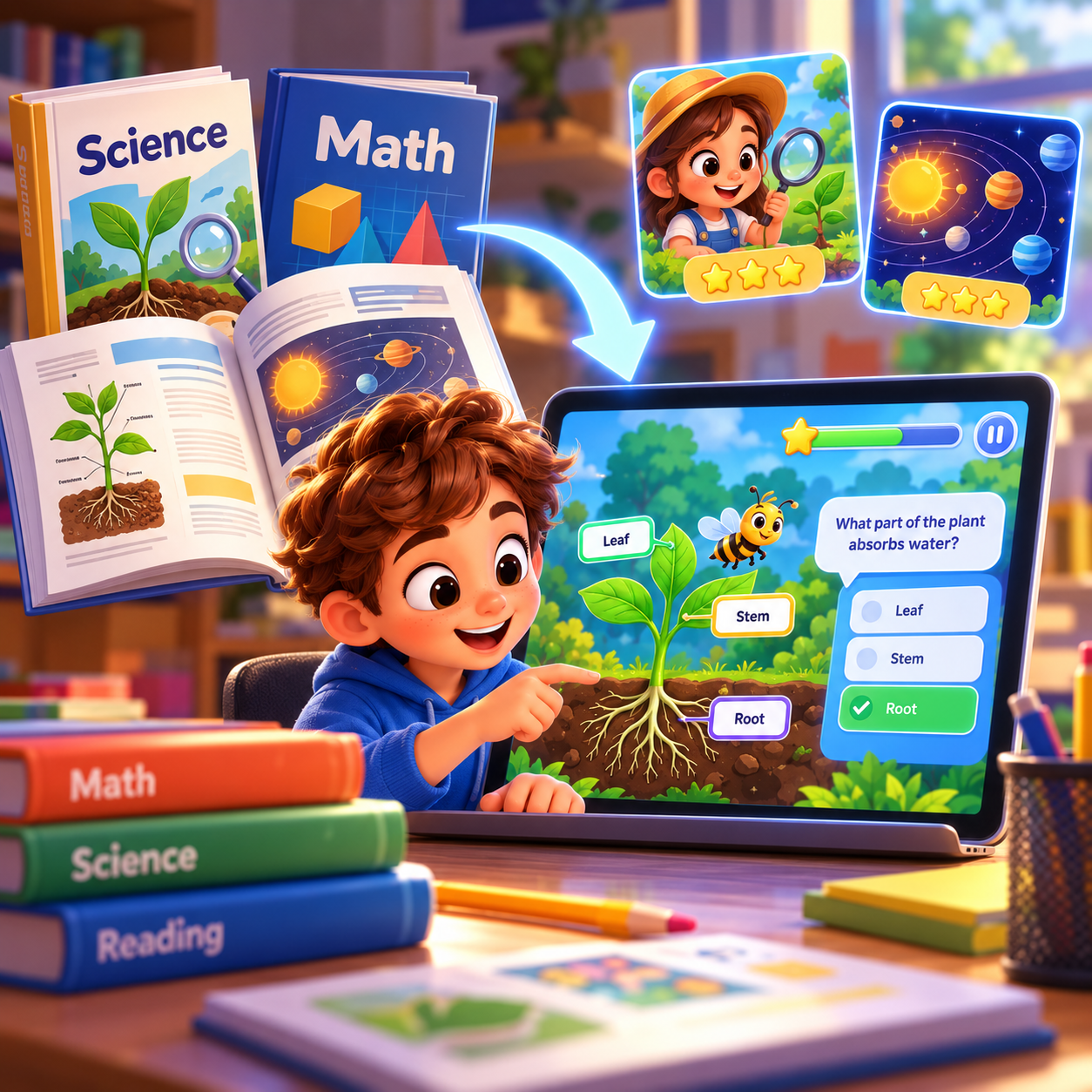
Education Publishers
Publishers have trusted content but often no in-house game team. We turn textbooks, workbooks, and series characters into interactive companions that extend a print or digital program. Brand guidelines, editorial review, and multi-title production pipelines are part of the process from day one.
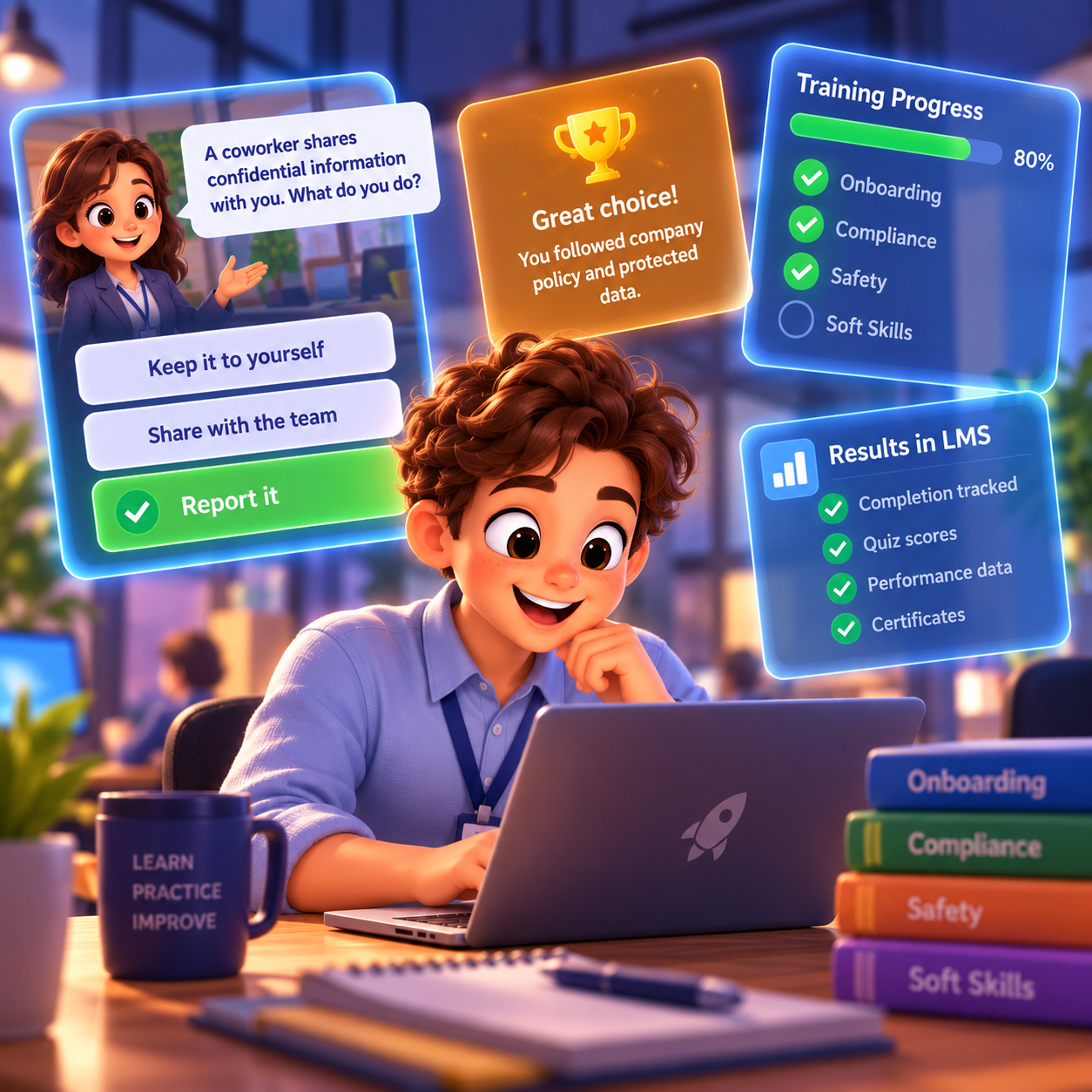
Corporate Training and L&D Teams
Onboarding, compliance, safety, and soft-skills training all have the same problem: people click through without paying attention. Scenario-based games and simulations make employees make decisions and see the consequences. Results are reported to your LMS, so HR and L&D can track completion and performance.
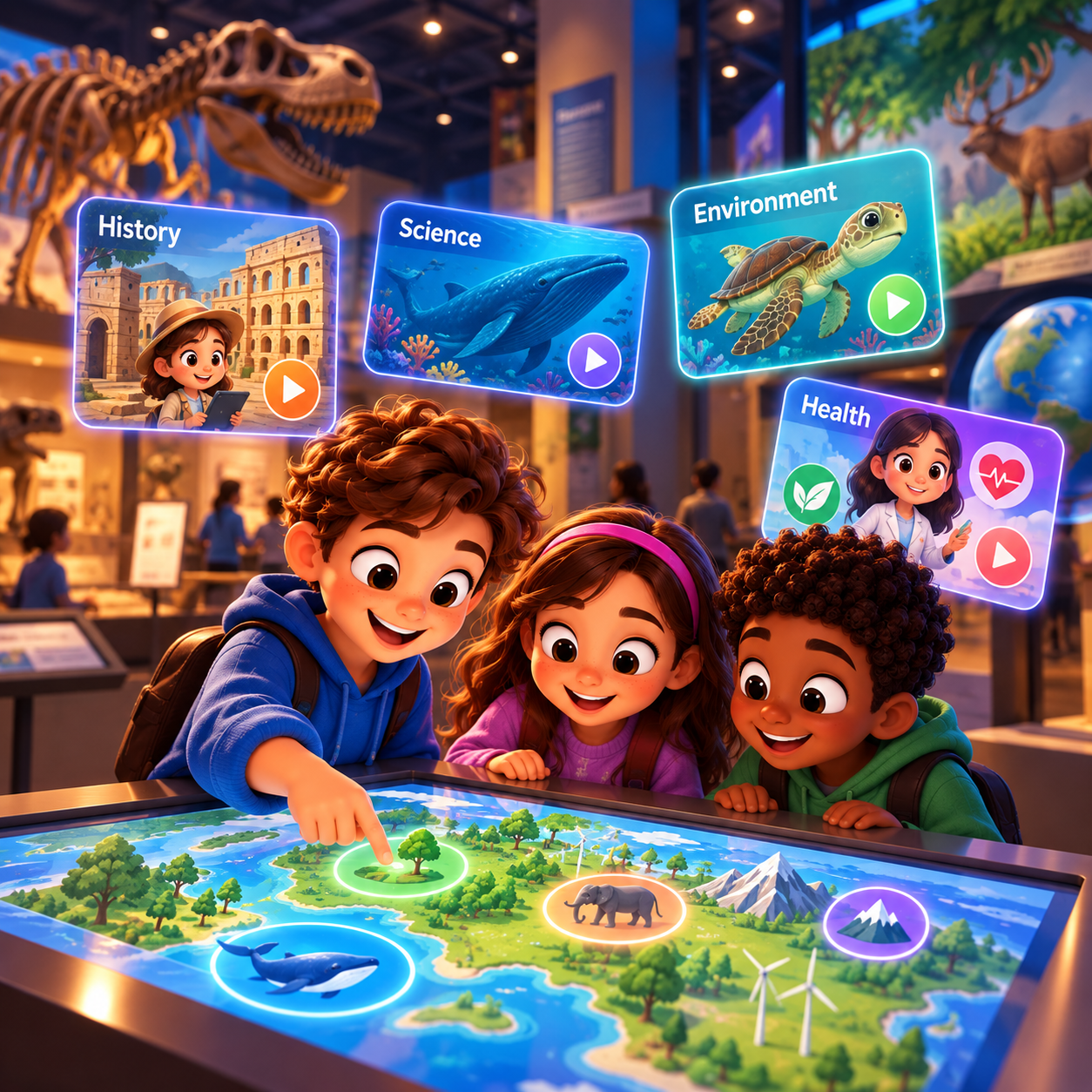
Museums, Nonprofits, and Public Institutions
Exhibits, awareness campaigns, and public education programs need to catch people’s attention in seconds and still leave them with something. We create interactive installations, mobile companion games, and short web experiences on topics like history, science, health, and the environment.
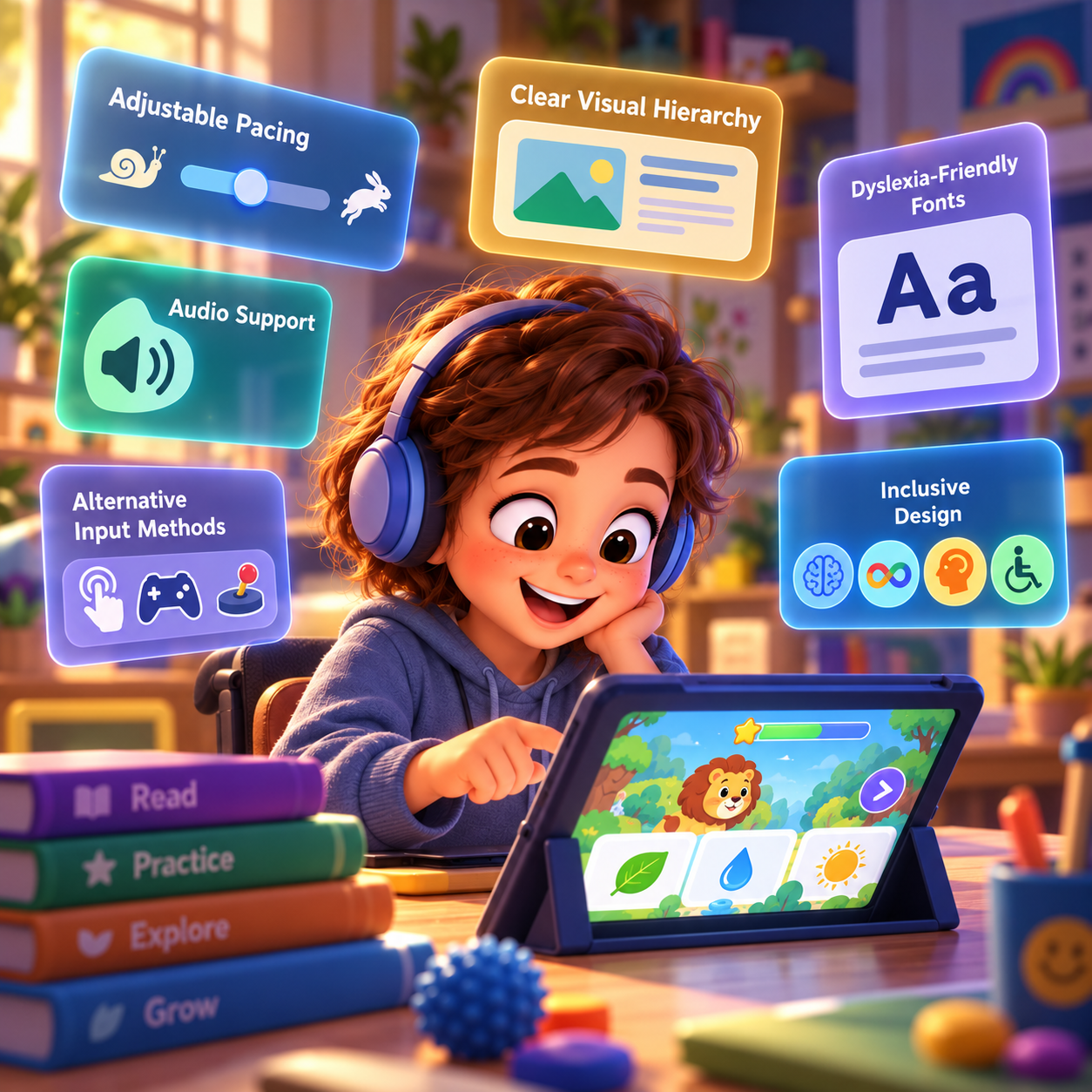
Special Education and Inclusive Learning
Learners with dyslexia, ADHD, autism, or motor impairments need games that adapt to them. We design with adjustable pacing, clear visual hierarchy, audio support, dyslexia-friendly fonts, and alternative input methods, and we test with educators who work with these learners every day.
K-12 Schools and Districts
Classroom games have to work within real constraints: shared devices, short lessons, mixed skill levels, and strict rules on student data. We build lightweight HTML5 games that run in the browser on Chromebooks and tablets with no installation required. Every task is tied to a curriculum standard, and teachers get a simple view of how each student is progressing.
EdTech Startups
Startups need to show traction before the next funding round. We help you get from idea to a playable MVP quickly, test it with real learners, and then scale content and features once the model is proven. If you already have an in-house team, we can plug in as a co-development partner for game design, art, or engineering.
Education Publishers
Publishers have trusted content but often no in-house game team. We turn textbooks, workbooks, and series characters into interactive companions that extend a print or digital program. Brand guidelines, editorial review, and multi-title production pipelines are part of the process from day one.
Corporate Training and L&D Teams
Onboarding, compliance, safety, and soft-skills training all have the same problem: people click through without paying attention. Scenario-based games and simulations make employees make decisions and see the consequences. Results are reported to your LMS, so HR and L&D can track completion and performance.
Museums, Nonprofits, and Public Institutions
Exhibits, awareness campaigns, and public education programs need to catch people’s attention in seconds and still leave them with something. We create interactive installations, mobile companion games, and short web experiences on topics like history, science, health, and the environment.
Special Education and Inclusive Learning
Learners with dyslexia, ADHD, autism, or motor impairments need games that adapt to them. We design with adjustable pacing, clear visual hierarchy, audio support, dyslexia-friendly fonts, and alternative input methods, and we test with educators who work with these learners every day.
Educational Game Genres & Subjects
- Literacy, Reading, and Spelling
- Math and Numeracy
- Early Childhood Learning
- Professional and Corporate Training
- Science and STEM
- Life Skills and Social-Emotional Learning
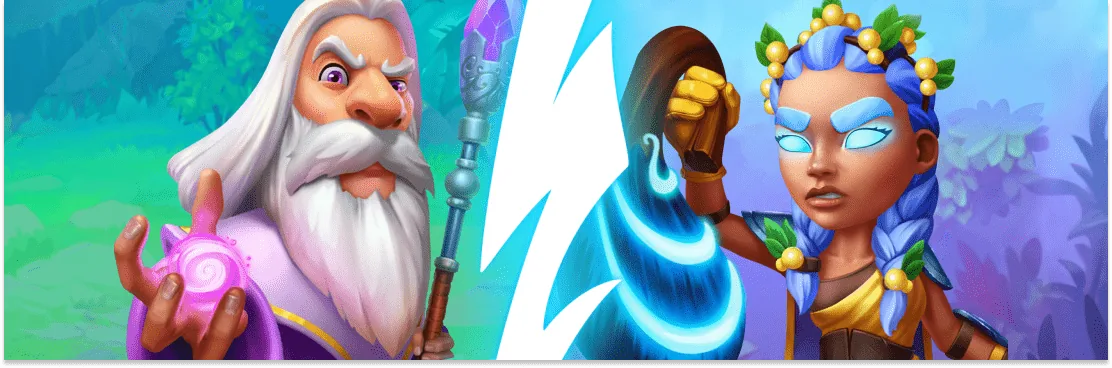
Literacy, Reading, and Spelling
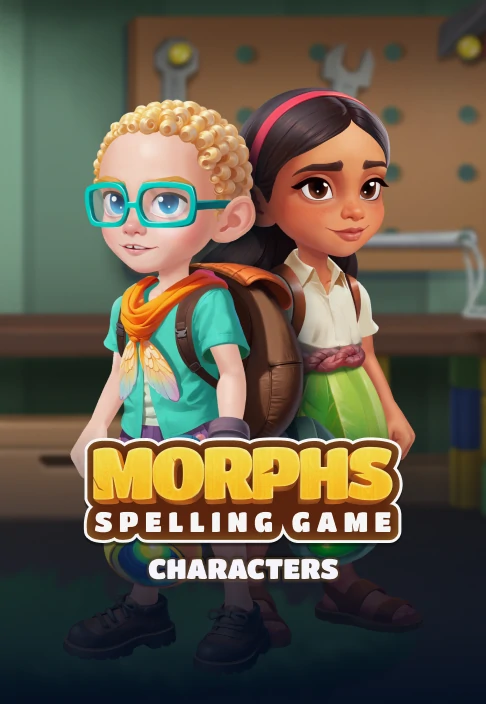
Phonics, vocabulary, spelling, and reading comprehension need a lot of practice, which is usually where learners lose interest. Games keep that practice going with characters, collections, and story progression. Our spelling game series is an example: each new world unlocks new word sets, so kids keep playing through dozens of practice rounds.
Math and Numeracy
Counting, arithmetic, fractions, geometry, and early algebra lend themselves well to games because the answers are clear and progress is easy to measure. We build puzzle, speed-challenge, and building games where each correct answer moves the player forward, and the difficulty adjusts based on how well the learner is doing.
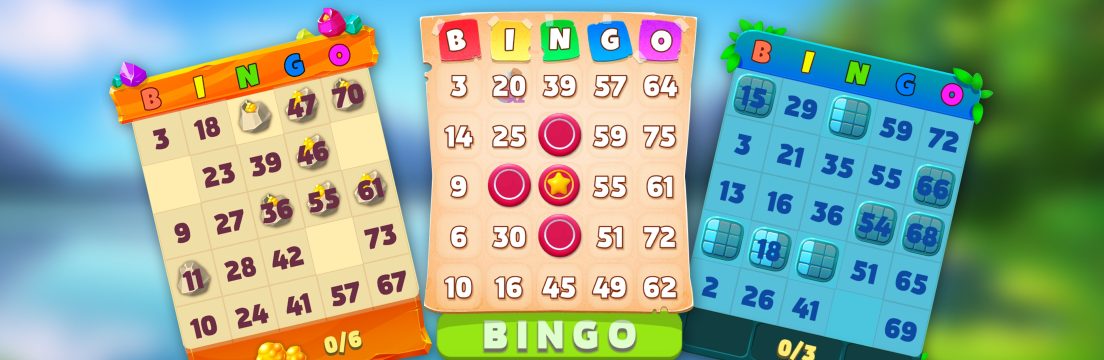
Early Childhood Learning
For ages 3–6, we design around short attention spans and pre-reading skills: colors, shapes, letters, numbers, and emotions. We make interfaces voice-guided, touch-first, and free of reading, and we keep sessions short to match how young children play.
Professional and Corporate Training
For adult learners, we build how-to simulations, branching scenarios, and gamified assessments for onboarding, compliance, safety procedures, customer service, and sales. We base every scenario on situations your employees actually face at work.
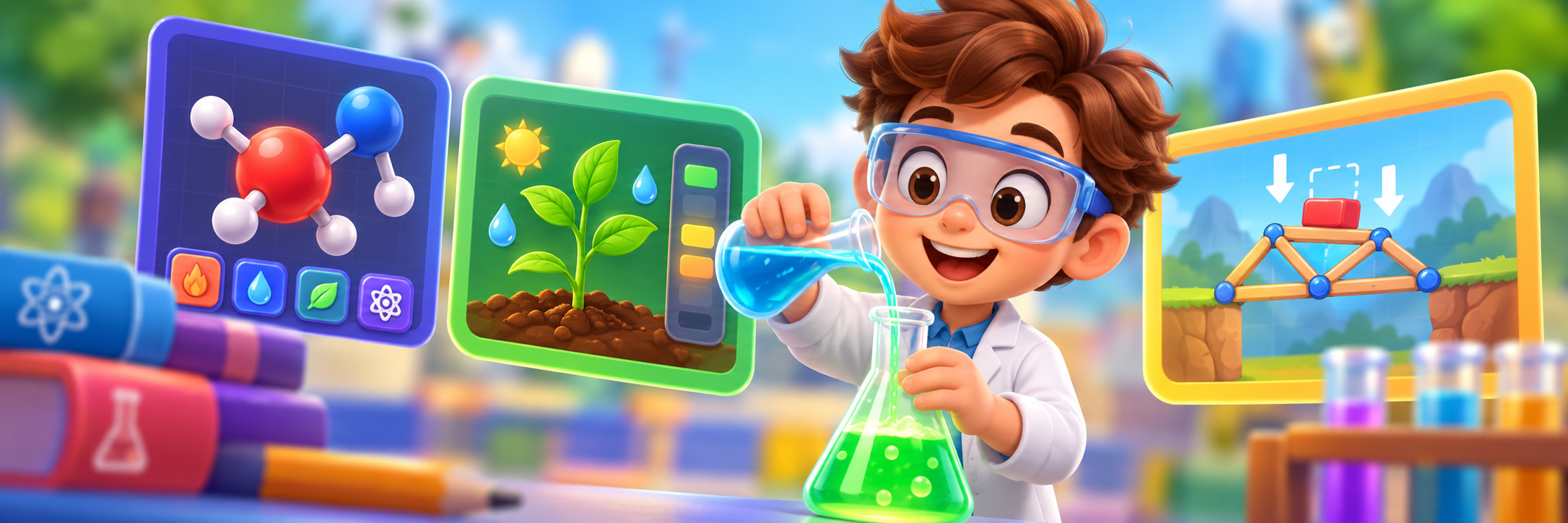
Science and STEM
Physics, chemistry, biology, coding, and engineering are easier to understand when learners can experiment. Simulations and sandbox games let players change variables, build machines, or grow ecosystems and see what happens. In the classroom, trial and error like this would be expensive or unsafe.
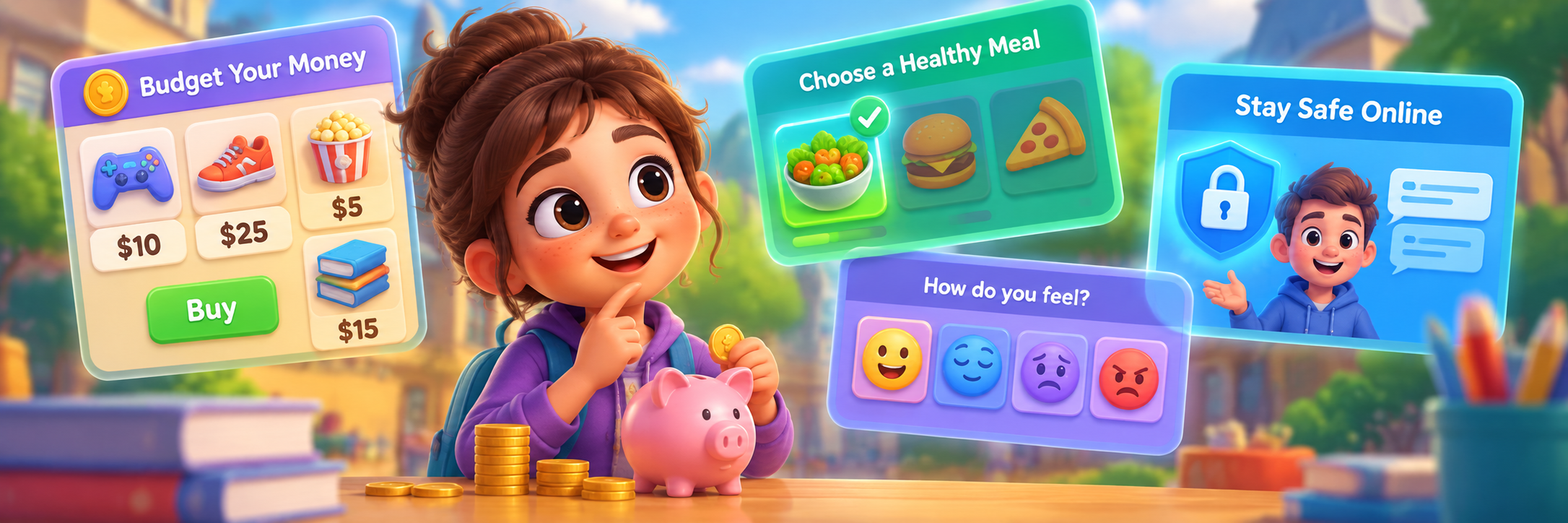
Life Skills and Social-Emotional Learning
Financial literacy, healthy eating, digital safety, and emotional awareness are hard to teach through lectures. Games with everyday scenarios let learners practice making decisions such as budgeting pocket money, choosing a meal, or handling a conflict, all in a safe space.
Our Educational Game Development Process
Discovery
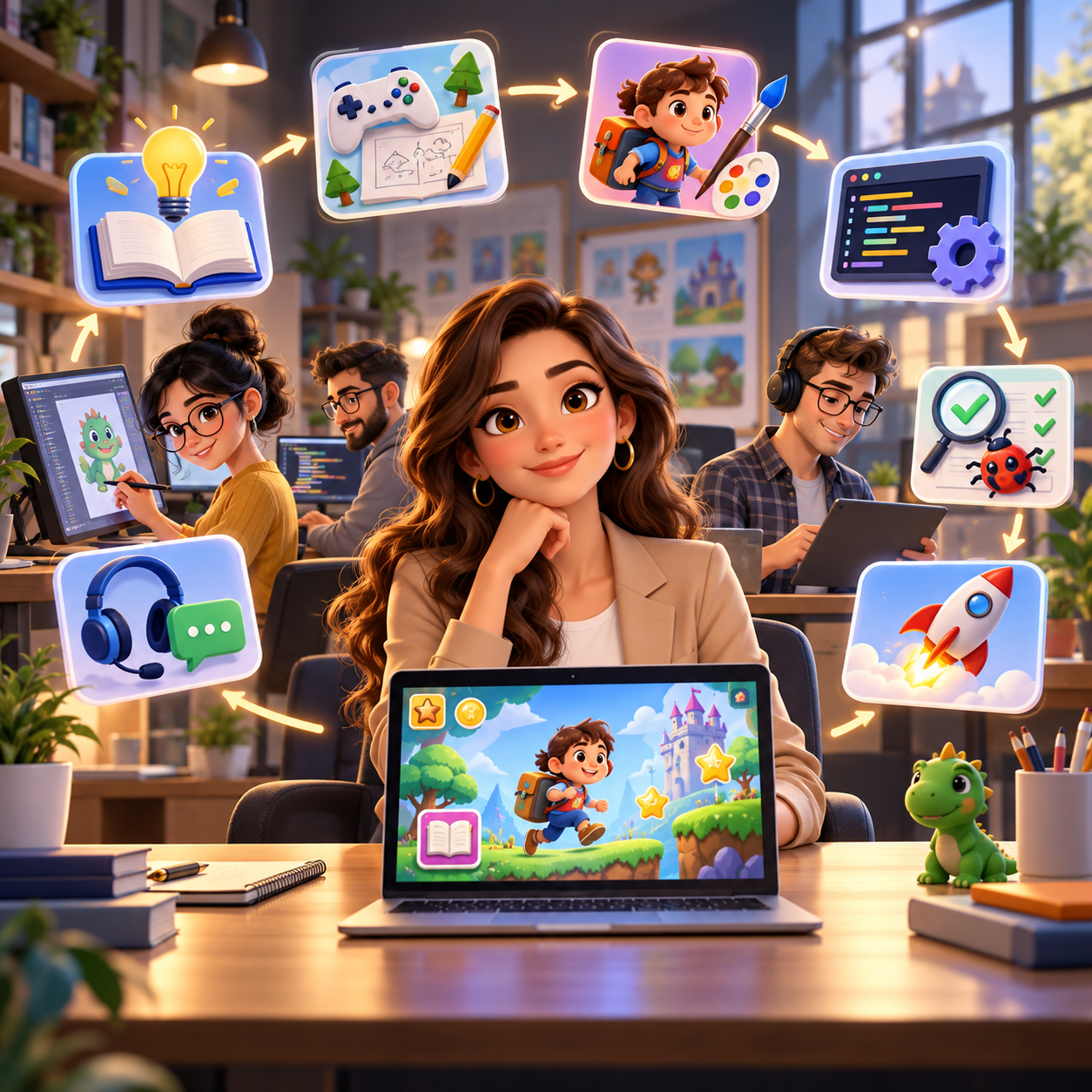
We meet with your team and subject-matter experts to define who the learners are, what they need to learn, and how you will measure success. We look at your curriculum or training materials, your platforms, and your budget, then turn all of this into clear learning objectives and a project roadmap.
01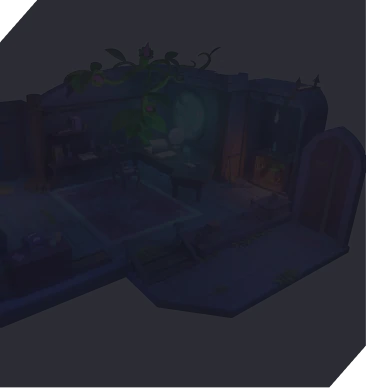
Game design
Our game designers write the game design document and map each learning objective to a mechanic, a level, or a feedback loop. Next, we build a clickable prototype of the core gameplay so you can play it, share it with teachers or trainers, and approve the direction before we start full production.
02
Art and development
Artists create characters, environments, and UI in a style that fits your audience, while developers build the game in Unity, Unreal, or HTML5. We work in two-week sprints and send you a new build after each one, so you always see progress and can adjust priorities along the way.
03
Playtesting and QA
We test the game with real learners from your target group and watch where they get stuck, get bored, or skip the learning content. Our QA team checks performance on every target device, and your experts review the content for accuracy. Then we fix what we find and polish the experience.
04
Launch and support
We publish the game to app stores, the web, or your LMS and monitor how learners play. Based on real data, we tune difficulty, fix bugs, and add new levels or subjects. For long-term products, we keep updating content as your curriculum changes.
05
Why Choose Whimsy Games
- 01
One Team for the Whole Project
Our 75 in-house specialists cover game design, 2D/3D art, animation, development, and QA, so you work with one team from first sketch to release.
- 02
A Proven Track Record
We have shipped 100+ games for 89 clients, including a spelling game series that keeps kids practicing words across multiple themed worlds.
- 03
The Right Tech for Your Learners
We build in Unity, Unreal Engine, Godot, and HTML5 and recommend the stack that fits your devices, whether school Chromebooks, tablets, or VR headsets.
- 04
Art Made for Your Audience
Our artists design characters, environments, and interfaces for each audience: bright, readable worlds for preschoolers and clean, professional visuals for corporate learners.
- 05
Full Visibility at Every Stage
You get a playable build every two weeks and a dedicated project manager, so you always know what we finished and what comes next.
- 06
Flexible Setup, Scalable Team
We adapt our pipeline to your workflow and scale the team as your project grows or your budget changes.
Projects we’ve Brought to life

Højtbelagt Game
Højtbelagt Game is a visually stunning National Lottery project. Every ingredient — from fresh rye bread and creamy sauces to vibrant toppings — is meticulously crafted through detailed 2D art, smooth animations and polished UX/UI design.
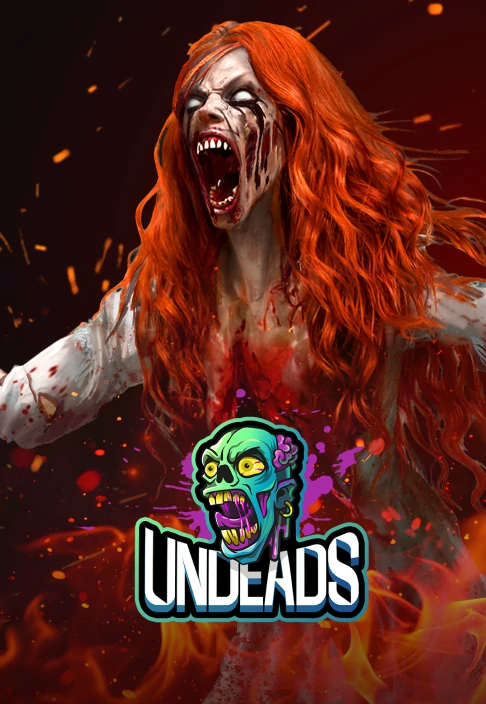
Undeads: Сharacters
A refreshed collection of zombie character artwork created to modernize the game’s visual identity. Our artists enhanced existing designs with richer details, terrifying expressions, realistic textures, and polished rendering while preserving the dark atmosphere and unique style of the Undeads universe.
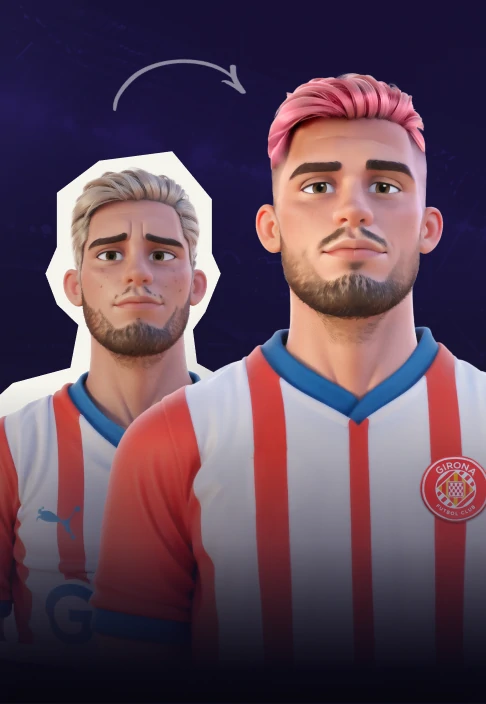
NFT Spanish Soccer
We collaborated on creating a unique NFT collection platform celebrating Spanish soccer, where fans could collect, trade, and explore digital representations of their favorite players. The goal was to craft high-quality, personalized artworks that capture the essence of each footballer and enhance the collectible value of NFTs.
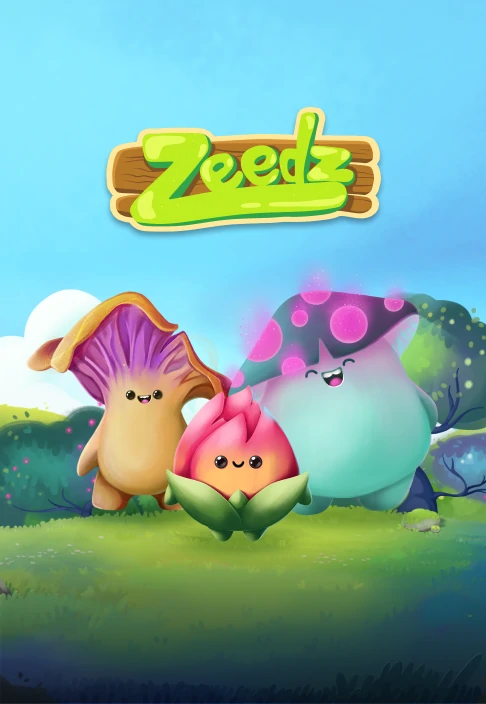
Zeedz
Zeeds is a play-for-purpose mobile game where players reduce carbon emissions by collecting and growing plant-inspired creatures, Zeedles. These eco-friendly NFTs evolve based on real-world weather and live on a sustainable blockchain.
ZiggyVerse
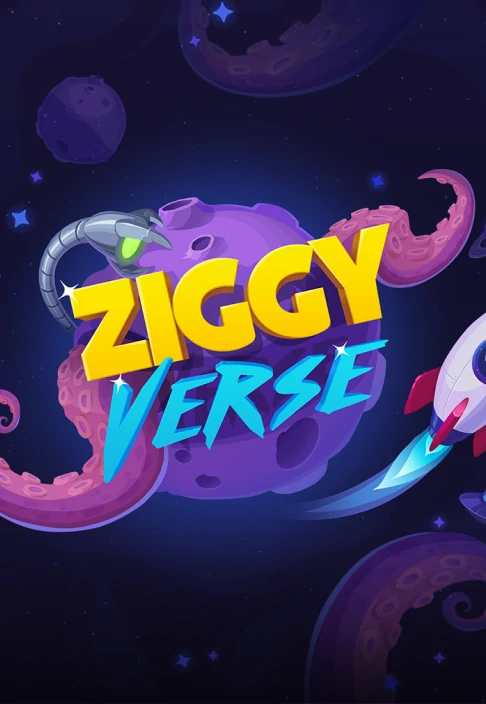
Ziggy Verse is a vibrant turn-based strategy RPG where players build a team of unique monsters and engage in tactical 3v3 battles across a colorful alien universe. The project was designed to deliver a casual yet strategic gameplay experience, combining collectible mechanics with deep combat tactics.
Meegos Mayhem
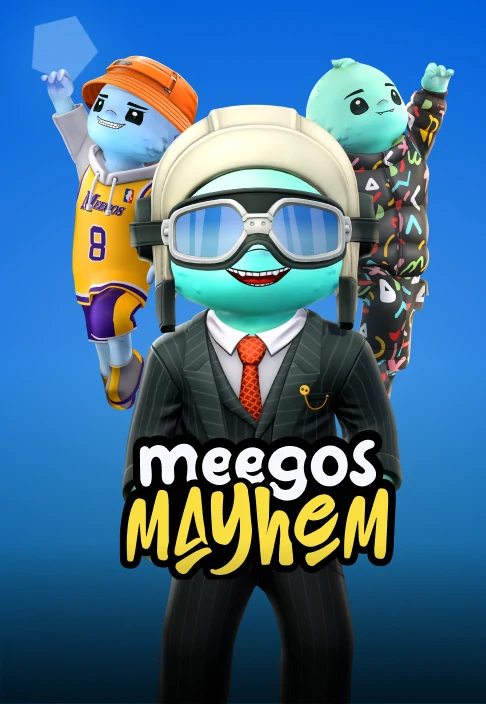
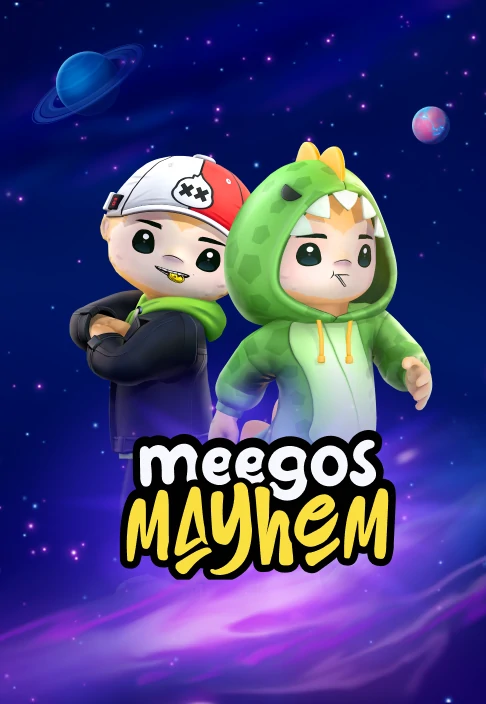
Meegos Mayhem is an action-packed multiplayer party game blending obstacle course racing with chaotic ragdoll physics and elimination battles. Designed to deliver fun, unpredictable gameplay for both casual and competitive players, it offers ever-changing maps and cooperative challenges.
Wild Rage
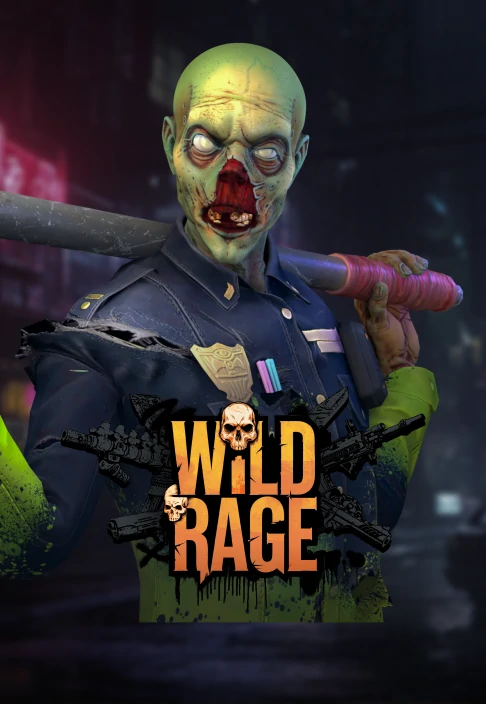
Wild Rage – Battle Royale and Metaverse survival RPG on PC/Steam with dynamic world, immersive gameplay, and strategic combat.
NightFall
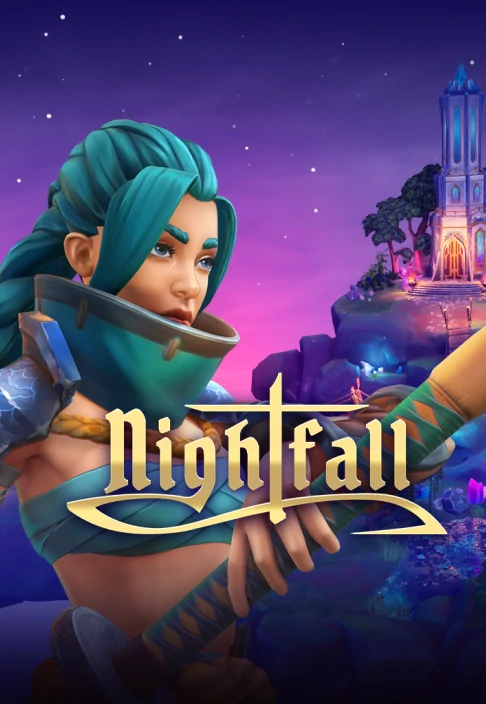
The project involved full-cycle production, covering development, game design, and seamless integration into a polished, high-quality final product. NightFall is a 3D fantasy adventure built in Unreal Engine, featuring a strongly immersive environment and a memorable cast of charismatic characters.
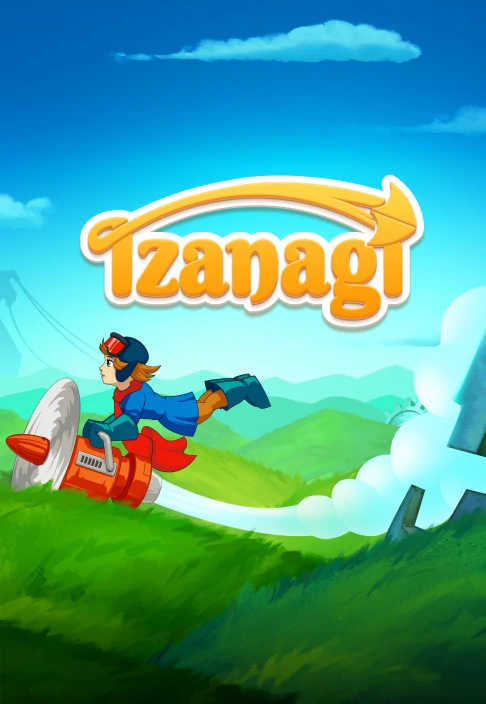
Izanagi
Izanagi is a dynamic arcade runner featuring skillful piloting through a maze of traps. Our team delivered complete development, including 2D art, Spine animations, VFX, UX/UI design, and game programming.
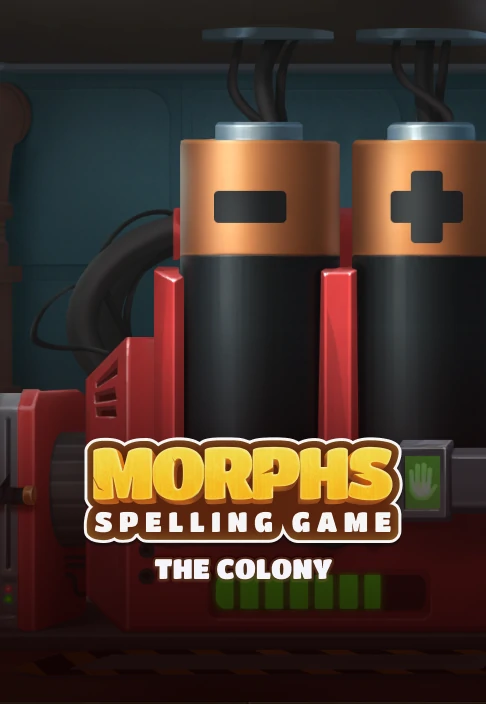
The Colony in Spelling Game
The Colony in Spelling Game is a set of interactive rooms where players complete spelling challenges through gameplay. Each space is designed to guide learning through exploration, visual cues, and engaging tasks.
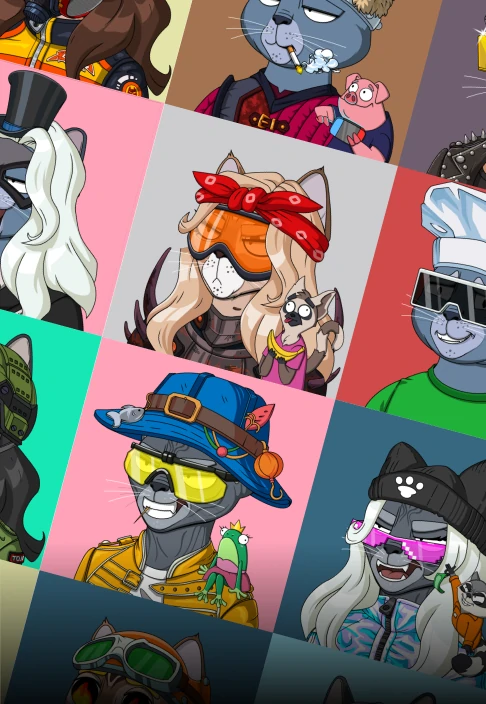
NFT Collections
NFT Collections encompasses full development and art, concentrating on the creation of unique digital assets through NFTs. With a diverse array of character styles, it enables players to collect and utilize these assets within games. This innovative approach enriches gameplay with distinctive visuals and valuable collectibles.
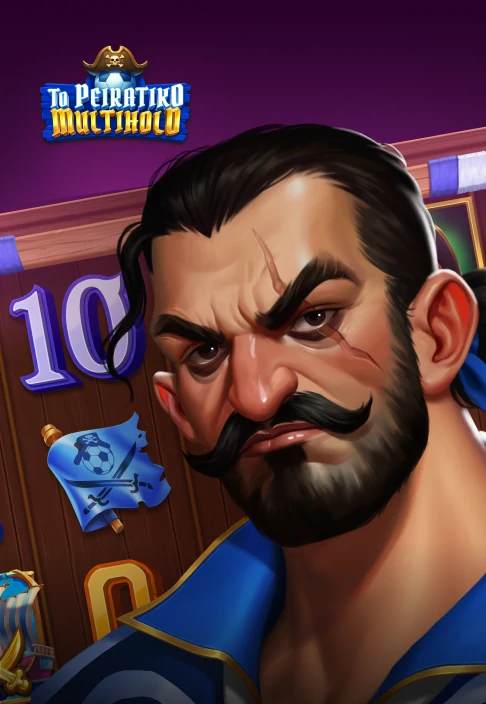
To Peiratiko Multihold
To Peiratiko Multihold is a thrilling slot game that takes players on a high-seas adventure with a unique gameplay twist. With its captivating pirate theme and engaging mechanics, this game offers an exciting experience for slot game enthusiasts seeking something fresh and entertaining.
Puzzle Fight
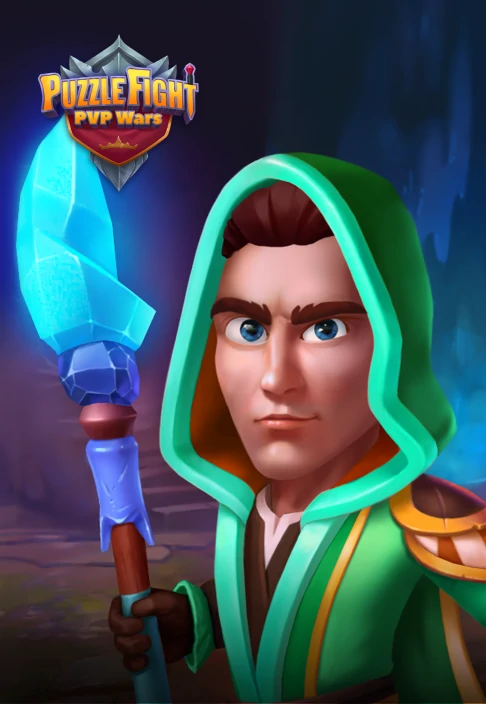
Puzzle FightPuzzle Fight: PvP Wars blends casual match-3 mechanics with the strategic depth of mid-core battlers. Players assemble hero squads and engage in real-time PvP battles in a mystical fantasy world, combining puzzle-solving with dynamic combat scenarios.
Metakarts
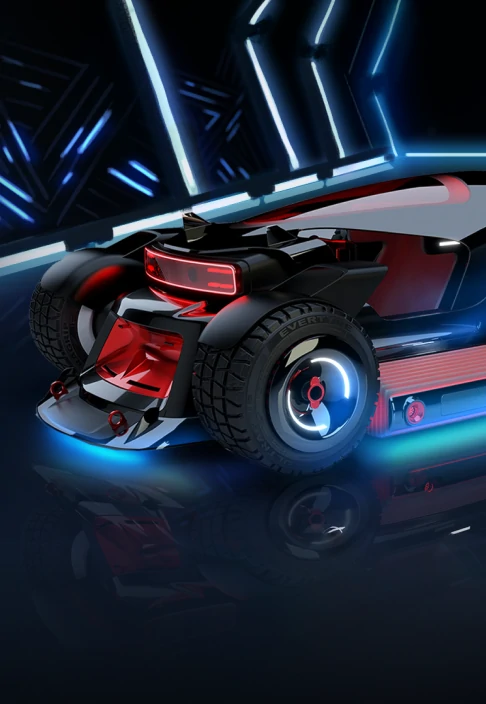
Metakarts is a casual sci-fi racing game. Our team provided development, concept art, 3D modeling, and UX/UI design. The game features intuitive controls and stylish visuals, delivering an engaging and accessible racing experience for a wide audience.
SPELLING GAME – LOCATIONS
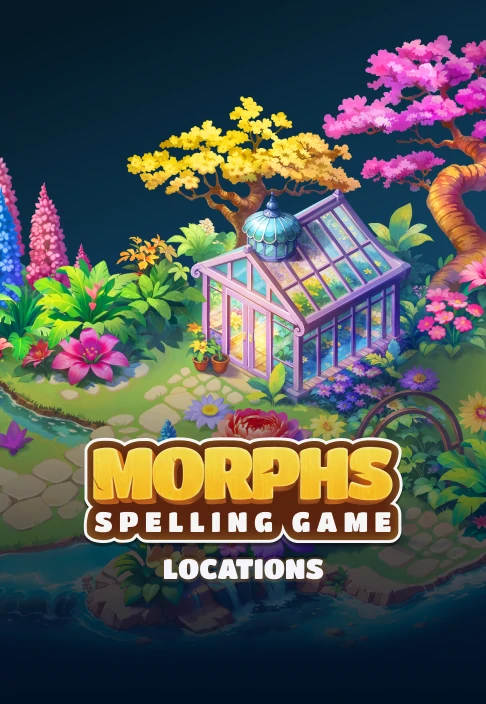
Spelling Game Locations feature a series of themed environments designed to support learning through visual context. Each location combines interactive gameplay with carefully crafted visuals to make spelling more engaging and intuitive.
SquidGames
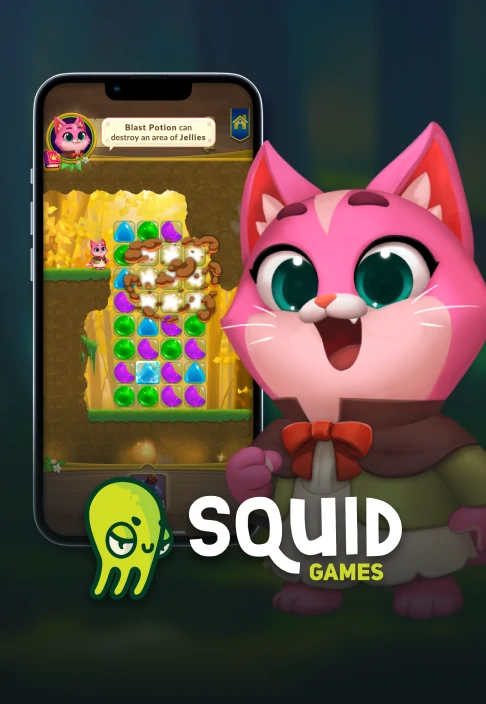
Squid Games is a dynamic platformer combined with match-3 elements, designed exclusively for mobile. Players navigate challenges while enjoying vibrant visuals and engaging mechanics.
VanLife
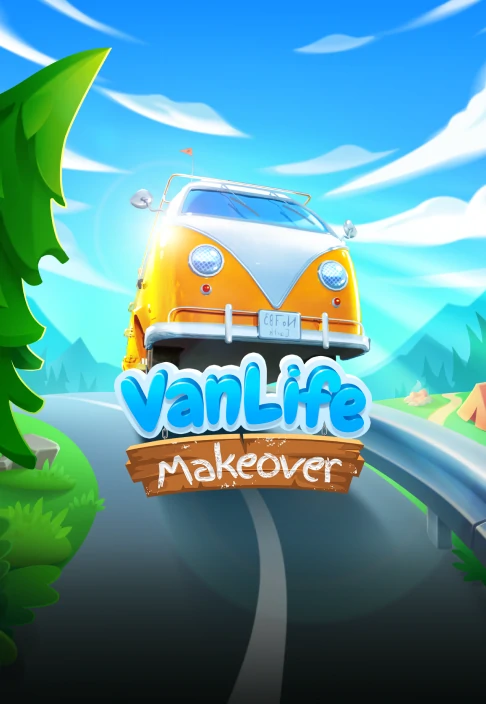
This project encompasses a full development cycle and art, offering a vibrant and engaging experience. VanLife is a Match 2 game with a bright design and friendly characters that immerse players in the atmosphere of camping and traveling. Players complete Match 2 levels and spend coins to build their dream van.
Our Cooperation Models
 Full-Cycle Development
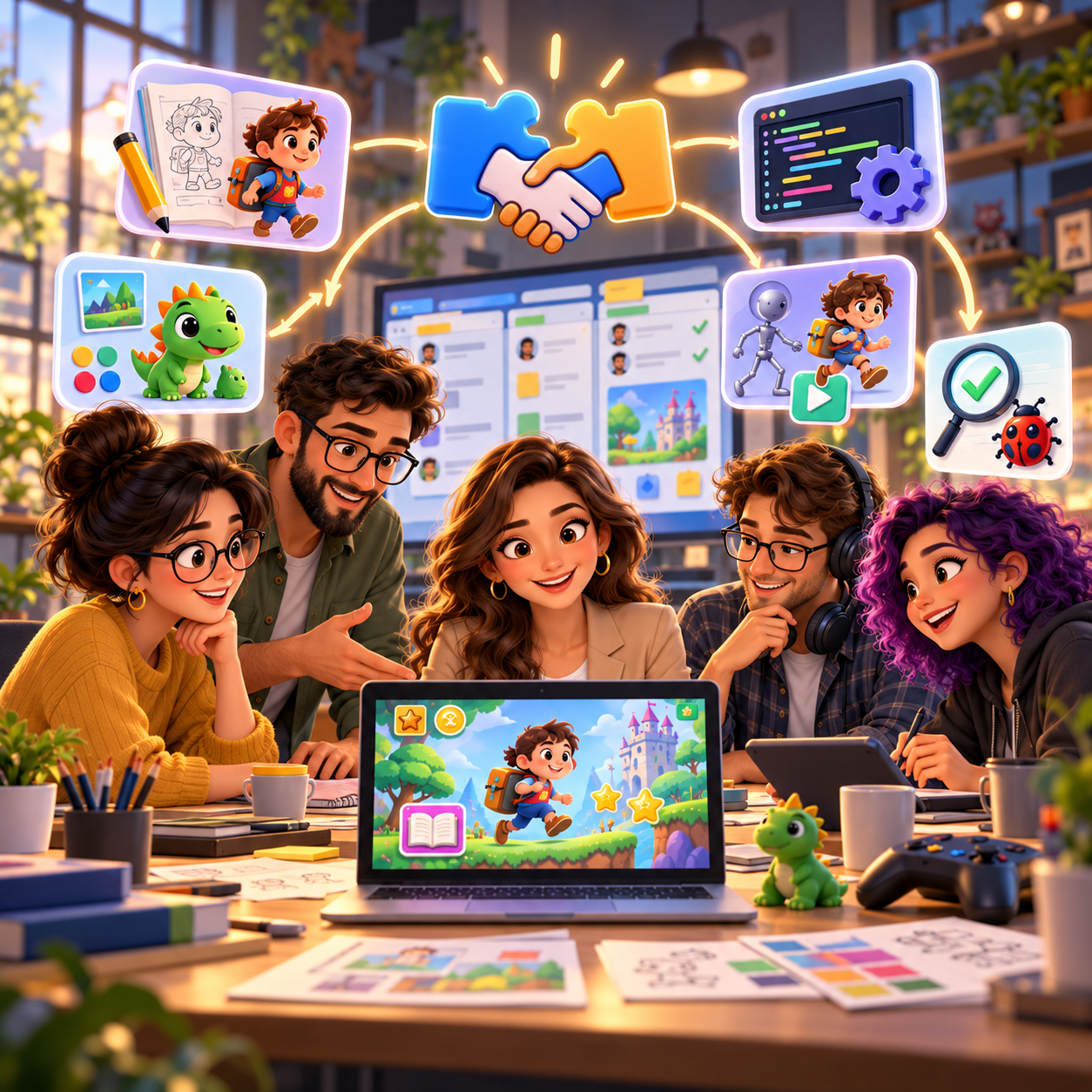
We take the whole project from you: learning goals, game design, art, development, QA, launch, and support. You approve the key milestones, and we handle everything else, with one project manager as your single point of contact.
 Co-Development
Your team keeps ownership of the product, and we join to fill the gaps: game design, 2D/3D art, animation, programming, or QA. We follow your pipeline, tools, and sprint schedule, so the collaboration feels like one team.
 Dedicated Team
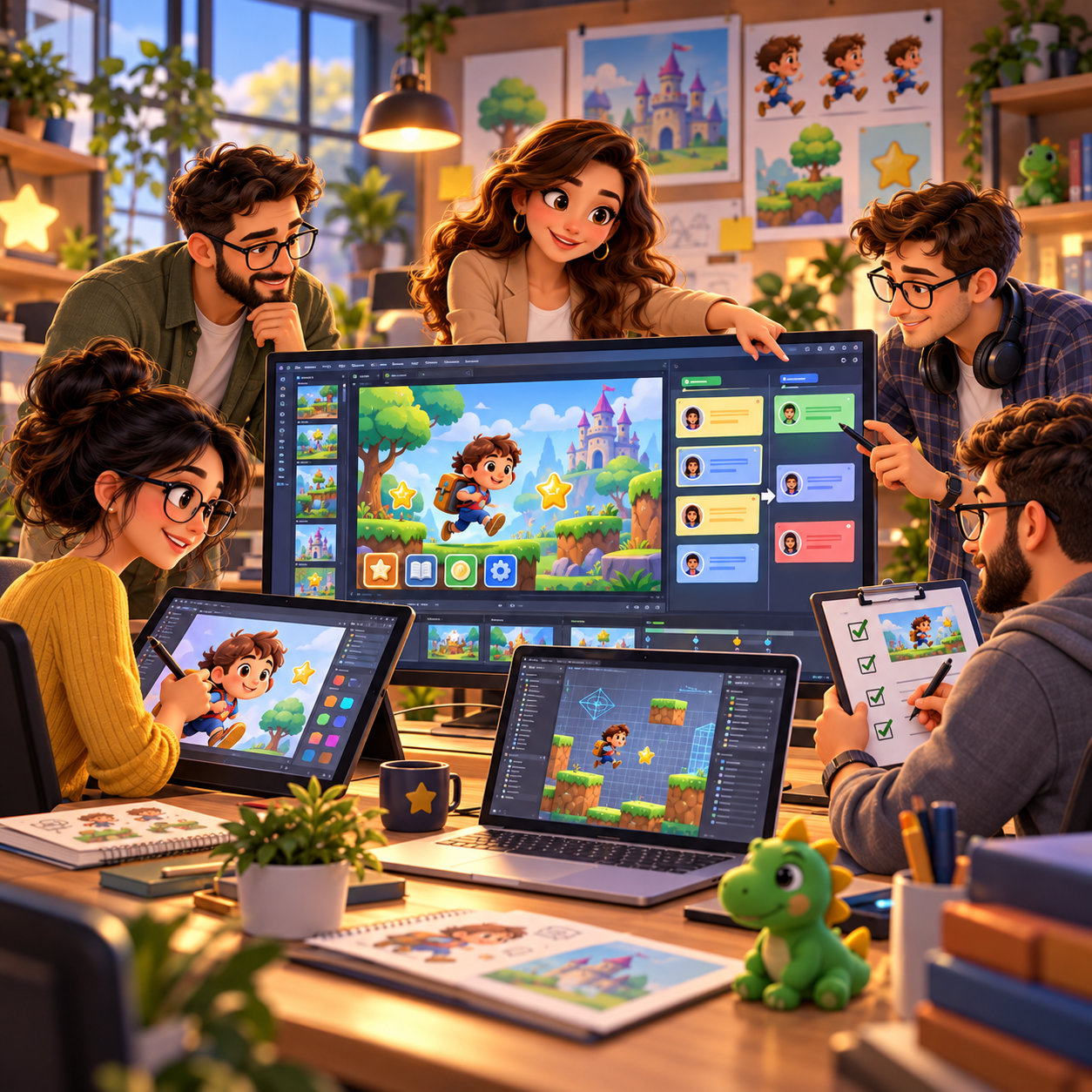
We put together a team of developers, artists, and designers who work only on your project. You manage priorities and the backlog directly, and we handle hiring, onboarding, and replacements.
Frequently Asked Questions
How long does educational game development take?
A straightforward educational game takes 3–4 months from concept to launch. The timeline depends on how much content you need, how many platforms you target, and how quickly your team reviews and approves milestones.
You get a clickable prototype within the first few weeks, so you can test the core idea with learners before full production starts. If you have a fixed deadline, such as the start of a school year, we plan the scope backward from that date.
What is the difference between gamification and game-based learning?
Gamification adds game elements such as points, badges, streaks, and leaderboards to existing learning content, like an online course or a mobile app. The content stays the same, but learners get extra motivation to come back and finish it. Game-based learning turns the content itself into a game, so learners master the skill by playing.
For example, a student learns budgeting by running a virtual shop rather than by reading a chapter and earning a badge. Gamification costs less and boosts engagement quickly, while game-based learning is better suited to complex skills that require practice, experimentation, and feedback. Many of our clients combine both approaches in one product.
How do you measure whether an educational game works?
We define success metrics during discovery, before we write any code, and build tracking into the game from the start. Depending on your goals, we measure:
- Learning gains: pre- and post-tests that compare what learners know before and after they play.
- In-game accuracy: how often players answer correctly and how that changes over time.
- Time to mastery: how many sessions a learner needs to reach the target skill level.
- Engagement and retention: session length, return rate, and completion rate.
We review this data with you after launch. It shows which levels teach well and which need changes, so every update makes the game more effective.
Can you align a game with Common Core, NGSS, or our own curriculum?
Yes. We map every level, task, and piece of feedback to the standards you follow, whether that means Common Core for math and English, NGSS for science, state standards, or your own corporate competency framework.
Our game designers work side by side with your teachers or subject-matter experts, who review the content at each milestone to keep it accurate and age-appropriate. Before production starts, we share an alignment matrix that shows which part of the game covers which standard or learning objective.
Are your educational games safe for children and COPPA-compliant?
Yes. When we build games for children under 13, we follow COPPA in the US and GDPR-K in Europe from the first design decision. In practice, this means we:
- collect only the data the game needs to work and track progress;
- leave out third-party ads, social logins, and behavioral tracking;
- add verifiable parental consent flows when the law requires them;
- store and transfer learner data securely.
For school products, we also help you meet FERPA and the data-privacy agreements that many US districts require. If your legal team has its own checklist, we review it at the start and build the game to match it.
Can you improve or take over an existing educational game?
Yes. We start with an audit of your current game’s code, art, and player data, then recommend what to fix, rebuild, or expand. Typical requests include:
- Moving an outdated Flash, Java, or native app to HTML5 or Unity so it runs on modern devices;
- Refreshing the art style and UI to match a new brand or age group;
- Adding new levels, subjects, or languages;
- Connecting the game to an LMS and adding progress reports for teachers.
How do I choose an educational game development company?
Compare several studios using the same criteria, and ask each one for specific examples rather than general promises. Pay attention to:
- Portfolio: shipped games in your subject area and age group, not only entertainment titles.
- Learning design: how the team defines learning objectives and tests with real learners.
- Data privacy: experience with COPPA, GDPR-K, and school data agreements.
- IP terms: full ownership of code and art after launch.
- Transparency: regular playable builds and a dedicated project manager.
What our clients think about us