
Co-Development in 2026: What’s Changed and Why It Matters More Than Ever
Updated April 2026
The game industry looks very different from a year ago. According to the GDC 2026 State of the Game Industry report, based on responses from over 2,300 professionals, 28% of developers were laid off in the past two years, and half said their current employer conducted layoffs in the past 12 months. AAA studios have been hit hardest, with two-thirds reporting internal cuts.
The result? Studios are leaner, budgets are tighter, and the pressure to ship without ballooning headcount has never been higher. Co-development has moved from a useful option to an operational necessity.
Co-Dev Is Now the Default Model
As highlighted at GDC 2026, collaboration with external partners is no longer a contingency plan – it’s how studios are architecting production from day one. Key data points from the 2026 report:
- 50% of indie studios now outsource art, spending an average of $20,000 per project
- The game art outsourcing market reached $3.77B in 2025, growing at ~14% annually
- 88% of indie developers work fully remote, making distributed production the norm
The shift in intent is what matters. Studios used to bring in co-dev partners when they were overwhelmed. Now they plan for it from pre-production. A trusted co-dev partner isn’t a cost line – it’s a competitive advantage.
What Co-Dev Looks Like Alongside AI Tools in 2026
Generative AI is now part of every studio’s conversation, but the picture is nuanced. 36% of developers use AI tools daily, primarily for research, brainstorming, and code assistance. At the same time, 52% of game professionals believe AI is having a negative impact on the industry – up from just 18% in 2024.
The practical reality: AI handles drafts and iteration. Humans handle craft, vision, and production quality. Co-development partners that combine senior human expertise with smart tooling are where studios are finding the most value – not AI pipelines alone.
New Platforms, New Co-Dev Demand
Engine and platform choices have shifted in 2026, too. Unreal Engine is now the most-used engine overall (42%), overtaking Unity (30%) – a meaningful shift for co-dev teams who need to match your tech stack from day one. Valve’s Steam Deck has emerged as the fourth-most-developed-for platform, with 40% of developers interested in targeting it alongside Nintendo Switch 2.
If you’re entering a new platform or switching engines, co-development is one of the fastest ways to access the expertise without a long internal ramp-up.
The Bottom Line for 2026
The studios shipping ambitious work right now aren’t doing so with bigger teams. They’re doing it with better partnerships. Co-development in 2026 isn’t a workaround – it’s the architecture that makes ambitious games possible without the overhead of a 200-person studio.
What Is Co-Development in GameDev?
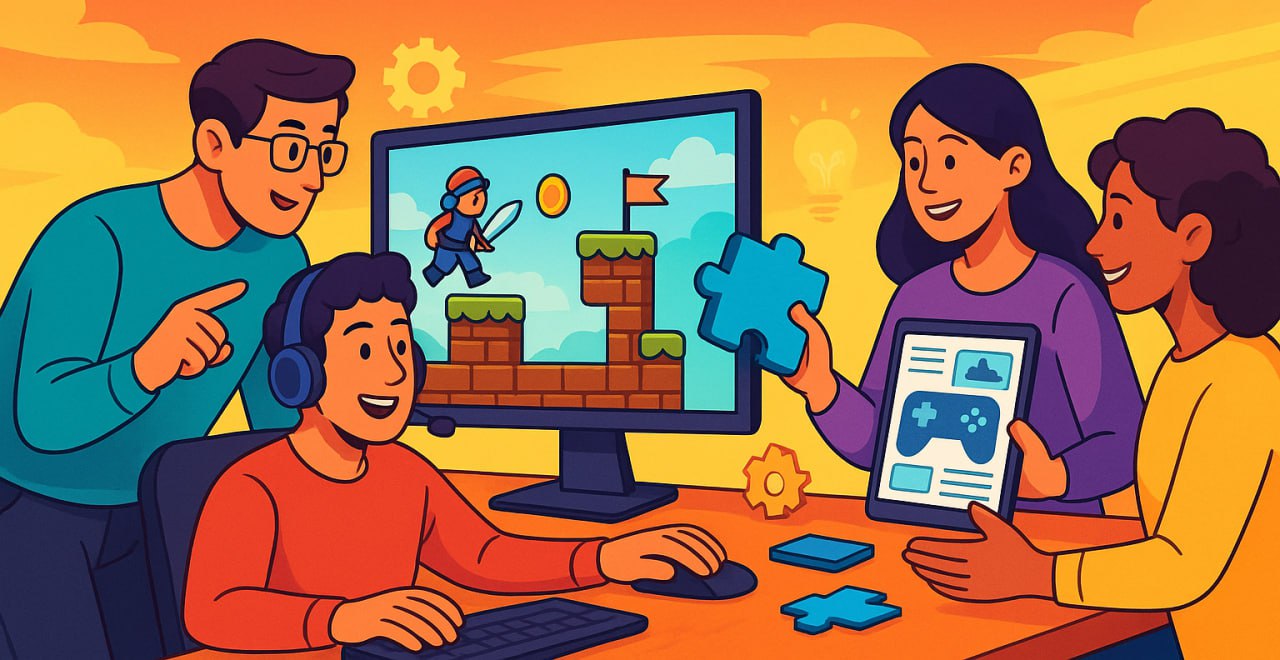
Co-development is a long-term collaboration model where an external game development team works as an integrated part of your core production pipeline – not just a vendor delivering isolated assets.
Instead of handing over tasks and waiting, you get:
- Real-time communication with the external team
- Shared ownership of vision and goals
- Aligned tools, workflows, and quality standards
- Agile, daily collaboration like one big team
Think of it this way: traditional outsourcing is like hiring a freelancer. Co-dev is like gaining a remote department.
Why Is Co-Dev a Massive Trend in 2025?
1. Scale Fast Without Hiring Dozens In-House
Hiring takes time. Onboarding takes longer. Co-development lets you grow your production capacity without bloating your internal structure. You can quickly ramp up senior-level specialists without the HR headache – and scale back just as smoothly when you need to.
2. Accelerate Time-to-Market
In gaming, time is everything. Players demand updates. Publishers expect milestones. With co-dev, multiple teams work in parallel – cutting delivery timelines by 30–50% on average. That means faster prototyping, quicker iterations, and smoother launches.
According to GamesIndustry.biz, co-development companies are becoming more critical than ever amid industry turbulence and rising development complexity.
3. Get Niche Expertise, On-Demand
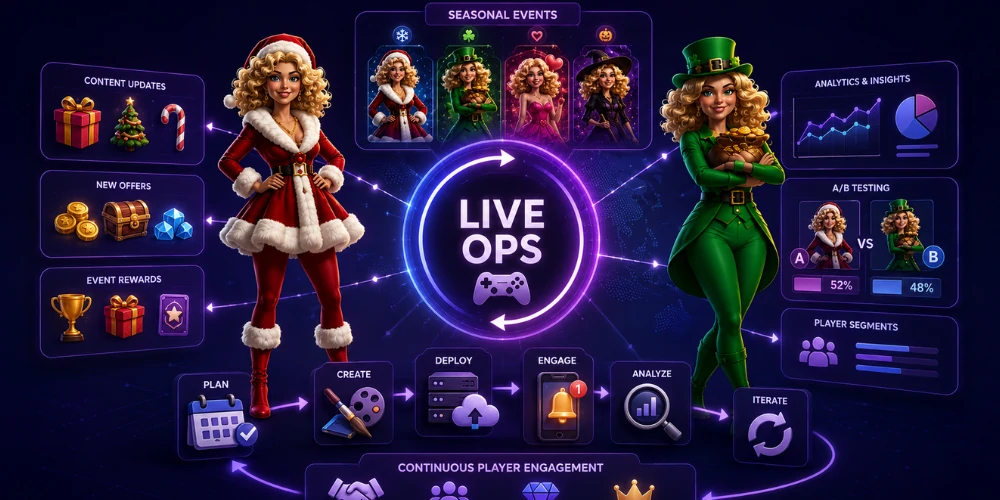
Most co-dev studios (like Whimsy Games) focus on specific areas: stylized 2D art, level design, live-ops engineering, multiplayer networking – you name it. You don’t have to train people from scratch. You get teams that already live and breathe your exact challenges.
4. Better Communication Means Better Results
With co-dev, you’re not lobbing Jira tickets over the fence. You’re working side-by-side. That leads to fewer revisions, faster decisions, and stronger alignment. It’s not “do this, send back.” It’s “let’s solve this together.”
5. More Predictable Budgeting
Forget ballooning costs from constant rework or misunderstood specs. With co-dev, you collaborate from day one, define scope together, and build trust over time. That reduces risks and financial surprises.
When Does Co-Development Make Sense?
- You’re launching a new game and need to scale quickly
- Your internal team is tied up on live-ops or another project
- You’re entering a new genre or platform and lack in-house experience
- You want a long-term partner who gets your business, not just your backlog

How We Do Co-Dev at Whimsy Games
At Whimsy Games, we’ve been co-developing games with studios around the world for over 5 years. We don’t just “assist” – we integrate.
Here’s what our process looks like:
Pre-Production Deep Dive
We analyze your goals, systems, art direction, tech stack and align our team accordingly.
Pipeline and Tools Sync
We use your tools or bring our own. Unity, Unreal, Git, Jira, Confluence – we adapt fast.
Dedicated Team
No cross-tasking. You get a focused team assigned to your project only.
Agile Collaboration
Daily standups, weekly reviews, constant sync – we operate like your in-house squad.
End-to-End Delivery
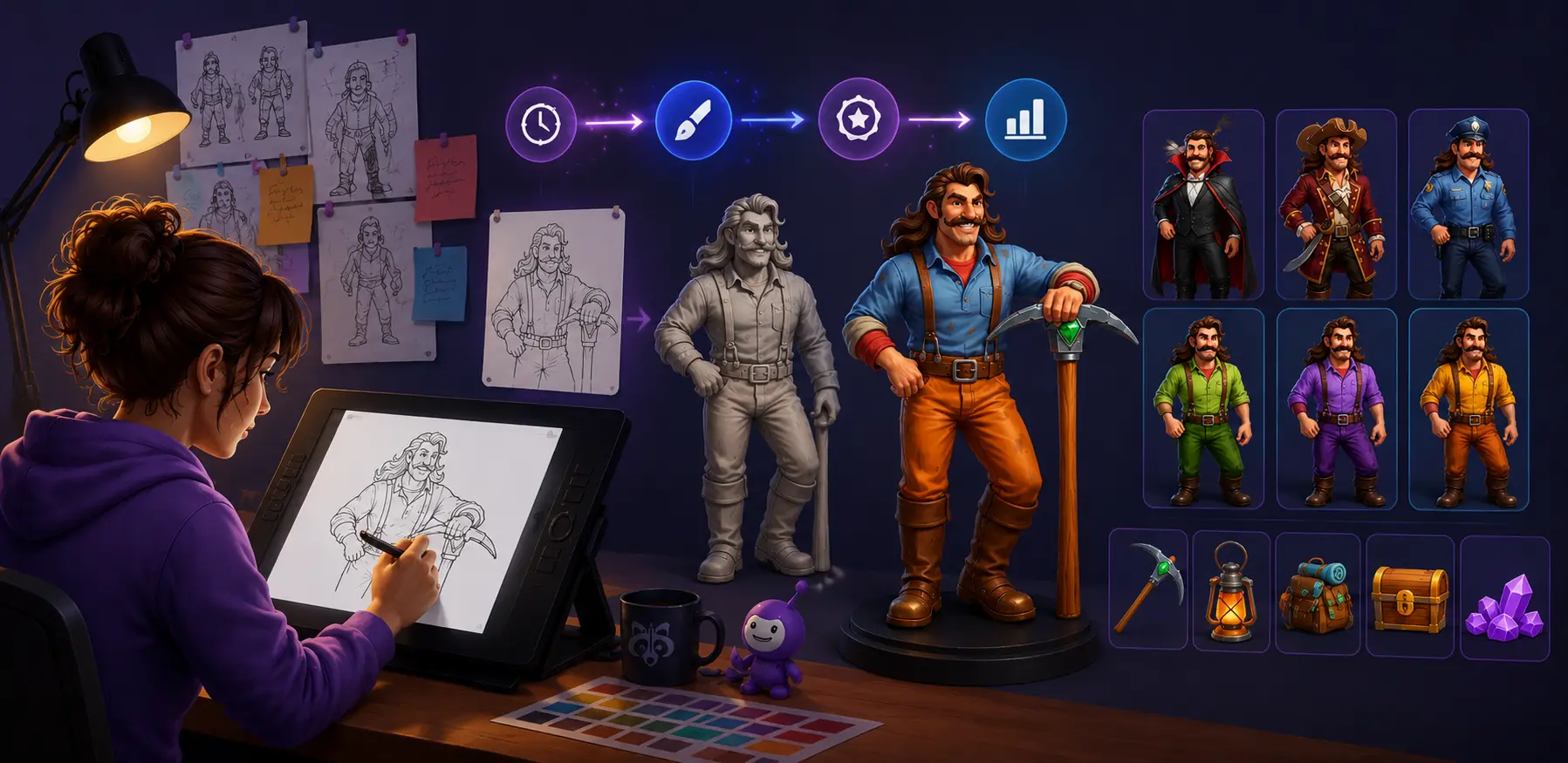
From concept art and prototype to dev sprints, VFX polish, and QA we ship full features.
Whether it’s a mobile title, live-ops update, NFT integration, or multiplayer shooter we’ve co-developed it.
Final Thoughts
Co-development isn’t a shortcut – it’s a smart path to smarter games. In 2025, studios that win will be the ones who move fast, collaborate deeply, and bring in expert partners when it counts.
If you’re ready to scale your game without sacrificing quality or control, let’s talk.
Contact Whimsy Games – let’s build something together.