
KEY POINTS OF THE ARTICLE
- Introduction to the evolution from Web2 to Web3 and the significance of decentralization.
- Overview of AI’s role in business from automation to enhancing customer experiences.
- Explanation of Web2’s focus on user-generated content and Web3’s emphasis on data ownership and transparency.
- Discussion on key technologies driving Web3 including blockchain, smart contracts and decentralized applications.
- Comparison of AI and Web3 integration in business, focusing on personalization and secure transactions.
- Examination of the challenges businesses face with blockchain adoption and data privacy in Web3.
- Insights into real-world success stories of businesses leveraging AI and Web3 technologies for innovation.
Introduction
The internet has evolved faster in the last two years than at almost any point in its history. What began as a slow shift from static Web1 pages to the interactive, platform-driven world of Web2 is now accelerating into something far more fundamental – a rethinking of who owns data, who controls transactions, and who profits from digital activity.
Web3 is no longer a speculative concept. By 2026, it has moved from whitepaper promise to working infrastructure. Blockchain networks process millions of transactions daily, decentralised finance has surpassed a $100 billion market valuation, and major institutions – from JP Morgan to Citi – have integrated blockchain rails into their core financial operations. At the same time, AI has become inseparable from both Web2 and Web3, reshaping how applications are built, how users interact with them, and how businesses extract value from digital systems.
For entrepreneurs and game studios evaluating where to build, the question is no longer “is Web3 real?” – it’s “which parts of Web3 are ready for production, and which still carry too much risk?” The answer depends on your use case, your users, and your tolerance for a technology landscape that is still maturing fast.
In this article, we break down the key differences between Web2 and Web3 as they stand today, examine the technologies driving the next phase of the web, and help you decide which approach fits your business in 2026.
What’s Changed Since 2024
The Web2 vs. Web3 conversation has shifted significantly over the past two years. Here’s what’s new and what it means for businesses exploring decentralised technologies.
The hype has given way to utility
2024 was defined by layer-2 scaling experiments and speculation. By 2025, the focus moved firmly toward making Web3 actually usable – account abstraction, simpler wallet UX, social logins, and gas sponsorships (where apps cover transaction fees on behalf of users) all moved into production. The result: Web3 applications are beginning to feel less like managing a crypto wallet and more like using a regular app.
DeFi is maturing – and going institutional
Decentralised finance is no longer a niche experiment. The DeFi market is projected to approach a $100 billion valuation in 2026, more than double its size in 2025. Major institutions are moving in: JP Morgan issued its USD deposit token on a public blockchain, and Citi integrated blockchain-based cross-border payment rails. The line between traditional finance (TradFi) and DeFi is blurring faster than most businesses anticipated.
Regulation has caught up
One of the biggest barriers for business adoption in 2024 was regulatory uncertainty. That’s changed. The US, EU, and major Asian jurisdictions have now drawn clearer boundaries around stablecoins, custody, and reporting requirements. For businesses, this removes a significant blocker – you can now build on Web3 rails with a much clearer compliance framework.
AI and Web3 are converging
The article originally covered AI and Web3 as parallel trends. In 2026, they’re intersecting directly. AI agents can now interact with smart contracts autonomously, and Web3 gaming developers are actively integrating AI to create player-driven economies and personalised in-game experiences. For game studios and digital product teams, this convergence opens up new models that weren’t viable two years ago.
Web3 gaming has found its footing
According to the Blockchain Gaming Alliance, Web3 game developers have shifted their success metrics away from token speculation toward polished gameplay, sustainable monetisation, and interoperability. This is a meaningful maturation – and directly relevant to studios evaluating whether to build on Web2 or Web3 infrastructure.
Embracing AI in Business: The Future is Now
Artificial intelligence (AI) has been a game-changer for businesses in recent years. It has revolutionized various aspects of business operations, from customer service to data analysis. AI-powered technologies like machine learning and human language processing have enabled businesses to automate tasks, gain valuable insights from data, and enhance the overall customer experience. As Web3 continues to evolve, the integration of AI in business processes will play a crucial role in driving innovation and growth.
The Role of AI in Modern Business Operations
Artificial intelligence (AI) plays a pivotal role in modern business operations, revolutionizing how companies operate. Through machine learning and natural language processing, AI enhances decision-making processes, automates tasks, and improves overall productivity. Businesses utilize AI to analyze vast amounts of data, optimizing processes and predicting market trends with precision. AI enables personalized customer experiences, enhances user interaction, and streamlines workflows. By embracing AI, businesses gain a competitive edge, offering tailored solutions and efficient services. This technological advancement transforms the landscape of business operations, paving the way for innovative strategies and sustainable growth.
Case Studies: Successful AI Integration in Small and Medium Businesses
- Company A, a small e-commerce business, implemented an AI-powered recommendation system that analyzed customer browsing behavior and purchase history to provide personalized product recommendations. This led to a 15% increase in sales and improved customer satisfaction.
- Company B, a medium-sized software development firm, adopted AI-driven quality assurance tools that automatically detected and fixed bugs in their code. This significantly reduced development time and improved the overall software quality.
- Company C, a startup in the healthcare industry, utilized AI algorithms to analyze medical records and identify patterns in patient data. This helped doctors make more accurate diagnoses and develop personalized treatment plans, resulting in improved patient outcomes and business growth.
Understanding the Evolution: From Web 2 to Web 3
To fully appreciate the differences between Web2 and Web3, it’s important to understand the evolution of the internet. Web2, the current version of the internet, emerged as a result of the rapid growth of social media platforms and interactive web app. It introduced features like user-generated content, social connectivity, and personalized experiences. However, Web2 still relies on centralized systems and platforms controlled by a few dominant companies. Web3, on the other hand, aims to decentralize the internet, giving users more control over their data and creating a more open and transparent digital ecosystem.
Defining Web 2: Its Principles and Impact on Entrepreneurs
Web 2 represents a shift in how we interact online, moving from static web pages to dynamic and interactive web applications. Its core principles include user participation, content creators, and social networks, enhancing the overall user experience. This iteration of the web brought features like greater control, interactivity, and user-generated content, shaping the landscape of social media platforms. Entrepreneurs benefited from the increased focus on user interaction, enabling businesses to engage with customers in a more personalized manner. The impact of Web 2 paved the way for a more collaborative online environment, empowering individuals to contribute and connect in ways not previously possible.
Introducing Web 3: How It Differs and Its Potential for Business Innovation
Web 3 represents a shift towards a decentralized web with a focus on giving users more control over their data. Unlike Web 2, which relies on central authority and storing data on servers owned by a few major companies, Web 3 emphasizes transparency and data ownership. This paradigm shift opens up new possibilities for personalized user experiences and innovative business models. By leveraging technologies like blockchain and smart contracts, Web 3 enables secure and efficient financial transactions, creating a more trustworthy environment for online interactions. Businesses can benefit from the increased user participation and trust that comes with Web 3, paving the way for exciting opportunities in various industries.
Key Technologies Shaping Web 3 for Entrepreneurs
Web 3 is driven by various cutting-edge technologies that are revolutionizing the digital landscape. Entrepreneurs navigating this new terrain must understand the significance of blockchain, smart contracts, and decentralized applications in reshaping online interactions. Blockchain technology ensures transparent and secure transactions, while smart contracts automate agreements without the need for intermediaries. Decentralized applications offer users greater control over their data and interactions, fostering a more collaborative online environment. By leveraging these key technologies, entrepreneurs can embrace the potential of Web 3 to create innovative solutions and enhance user experiences in the decentralized web of the future.
Blockchain: The Backbone of Web 3 Security and Transparency
Blockchain serves as the backbone of Web 3, ensuring security and transparency in online transactions. By decentralizing data storage and authentication processes, blockchain eliminates the need for a central authority, enhancing trust and reliability. Smart contracts, a key feature of blockchain technology, enable automated and secure transactions without the need for intermediaries. This revolutionary approach to data handling provides individuals with greater control over their personal information, reinforcing data privacy in the digital realm. The immutability of blockchain ledgers enhances security and prevents unauthorized tampering, establishing a foundation of trust for the decentralized web of the future.
Decentralized Finance (DeFi): A New Horizon for Business Transactions
Decentralized finance, or DeFi, is a rapidly growing sector within Web3 that is transforming traditional financial systems. DeFi leverages blockchain technology and smart contracts to create open and permissionless financial applications that enable individuals to access a wide range of financial services without the need for intermediaries such as banks or brokers. DeFi platforms offer a variety of services, including lending, borrowing, trading, and asset management, all powered by cryptocurrencies and governed by smart contracts. This new paradigm of decentralized finance provides greater financial inclusivity, increased transparency, and reduced costs, opening up a world of possibilities for entrepreneurs and businesses.
Leveraging AI and Web 3 for Business Growth
Innovative businesses are leveraging AI and Web 3 technologies to propel their growth. By combining artificial intelligence with the decentralized nature of Web 3, companies are transforming their operations. AI augments decision-making processes, while Web 3 offers greater control and transparency over data. This convergence enables personalized user experiences, secure financial transactions, and individual control of personal data. Through smart contracts and machine learning algorithms, businesses can streamline operations and enhance user interaction. Embracing this paradigm shift allows for efficient handling of personal information in a decentralized web environment. Successful integration of AI and Web 3 positions businesses at the forefront of the digital revolution.
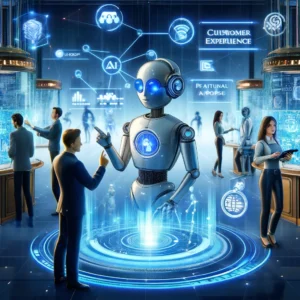
Enhancing Customer Experience with AI and Web 3 Technologies
By combining artificial intelligence and Web 3 technologies, businesses can revolutionize customer experiences. AI enables personalized interactions through natural language processing, tailoring services to individual preferences. Web 3’s decentralized nature ensures greater control over personal data, enhancing privacy and security. For businesses, this means improved trust and transparency in handling customer information. Implementing smart contracts on the blockchain allows for seamless and secure financial transactions, fostering customer loyalty. The integration of these technologies leads to a more interactive and user-centric approach, shaping the next generation of the internet where customer experience takes center stage.
Streamlining Operations: AI-Driven Automation and Decentralized Applications
Streamlining Operations: AI-Driven Automation and Decentralized Applications:
In today’s dynamic business landscape, AI-driven automation and decentralized applications play pivotal roles in optimizing operational efficiency. Artificial intelligence enhances decision-making processes, automates repetitive tasks, and improves overall productivity. By leveraging machine learning and natural language processing, businesses can streamline operations and reduce manual intervention. Decentralized applications, powered by blockchain technology, ensure transparency, data integrity, and secure financial transactions without the need for intermediaries. This paradigm shift allows for greater control over personal data and fosters trust among users. Embracing AI and decentralized applications not only enhances business operations but also facilitates innovation and competitive advantage in the digital era.
Overcoming Challenges on the Path to Web 3 Adoption
Navigating the complexities of blockchain for business is a crucial step towards Web 3 adoption. Understanding and implementing decentralized technologies can be daunting for traditional enterprises. Ensuring data privacy and security in a decentralized world poses significant challenges due to the shift from centralized control. Organizations must grapple with the balance between transparency and data confidentiality to build trust in this new paradigm. By overcoming these obstacles, businesses can unlock the full potential of Web 3, empowering users with greater control over their personal information and redefining the relationship between individuals and digital platforms.
Navigating the Complexities of Blockchain for Business
Blockchain technology, while transformative, comes with its own set of complexities that businesses need to navigate. Understanding the technical aspects of blockchain, such as cryptographic algorithms and consensus mechanisms, can be challenging for non-technical professionals. Implementing blockchain solutions requires careful planning and consideration of business processes, scalability, and interoperability. Businesses also need to develop a clear strategy for integrating blockchain into their existing operations and aligning it with their overall business objectives. By working with experienced blockchain developers and consultants, businesses can overcome these challenges and leverage the potential of blockchain technology to drive innovation, transparency, and efficiency.
Ensuring Data Privacy and Security in a Decentralized World
Data privacy and security are critical considerations in a decentralized world. While Web3 offers greater control and ownership of personal data, it also presents new challenges in terms of securing sensitive information. Businesses must implement robust security measures, such as encryption and multi-factor authentication, to protect data from unauthorized access or breaches. Additionally, the decentralized nature of Web3 requires careful management of access controls and data sharing permissions. By adopting best practices in data privacy and security, businesses can build trust with their customers and ensure the integrity and confidentiality of their data in a decentralized network.
Success Stories: Entrepreneurs Who Made the Leap
Web3 has provided a platform for entrepreneurs to innovate and disrupt traditional industries. Many success stories have emerged from individuals and businesses that have embraced the potential of Web3. From decentralized finance startups to blockchain-powered supply chain management solutions, these entrepreneurs have leveraged the benefits of Web3 technologies to create new business models, improve operational efficiency, and provide innovative products and services. Their success demonstrates the transformative power of Web3 and serves as inspiration for other entrepreneurs looking to make their mark in the decentralized world.
Case Study 1: Transforming E-Commerce with AI and Web 3
Transforming E-Commerce with AI and Web 3 involves leveraging AI algorithms for personalized user experiences. By incorporating machine learning into the e-commerce platform, the system can understand user preferences through NLP, enhancing user interaction and satisfaction. Additionally, Web 3’s decentralized nature ensures better data privacy and security, giving users greater control over their personal information. Implementing smart contracts based on blockchain technology streamlines financial transactions and boosts transparency. This fusion of AI and Web 3 redefines the e-commerce landscape, offering a more secure and user-centric online shopping environment with optimized recommendations and seamless transactions.
Case Study 2: Revolutionizing Service Industries through Decentralization
By leveraging the power of decentralization, a service company transformed its operations. By utilizing smart contracts in their processes, they streamlined transactions and minimized the need for intermediaries, leading to cost savings and increased efficiency. This innovative approach allowed for greater trust and transparency in their dealings with customers, enhancing overall satisfaction. Additionally, the company integrated blockchain technology to secure and validate data across its network, ensuring data integrity and security. Through the adoption of decentralized principles, they were able to revolutionize how service industries operate, paving the way for a more efficient and trustworthy ecosystem.

Conclusion
In the dynamic landscape of Web2 vs. Web3, embracing AI is not just a trend but a necessity for future-proofing businesses. Understanding the evolution from Web 2 to Web 3 is crucial for entrepreneurs seeking innovation. Key technologies like blockchain and DeFi are heralding a new era of security and transparency. By leveraging AI and Web 3, businesses can enhance customer experiences and streamline operations for growth. Despite challenges, success stories abound, showcasing the transformative power of these technologies. Ready to make the leap? Get in touch and explore the limitless possibilities of AI and Web 3 for your business!