
Game Publishing and Distribution: How to Choose the Right Publishing Partner for a Game
What You’ll Learn
- Game Development vs. Game Publishing
- What Is Game Publishing and Distribution?
- What to Expect from a Game Publisher in 2026
- Why the Right Publisher Matters
- Key Factors to Consider When Choosing a Publishing Partner
- Pros and Cons of Working with a Game Publisher
- Steps to Finding the Right Publisher
- Common Pitfalls to Avoid
- Frequently Asked Questions
- Encouragement for Developers
- Whimsy Games’ Role in Your Journey
The world of game development has never moved faster. In 2026, the publishing landscape looks markedly different from just a few years ago – AI-assisted development has shortened production cycles, new platforms are competing for catalogue deals, and revenue share terms are shifting in favour of developers with strong IP. Creating a great game is still only half the journey. The other half – getting it into players’ hands on the right terms – is where the choice of publishing partner can define your studio
Understanding Game Publishing and Distribution
Before discussing selecting a publishing partner, let’s clarify exactly what game publishing and distribution are. Releasing a game is only one part of the publishing process which also includes marketing, finance, localizing, QA and in many cases, community and flash support, sometimes even development. Distribution, on the other hand, is the act of releasing your game to players, whether through digital storefronts, physical copies or streaming platforms.
Whether you’re a small indie studio or a major AAA project, having a publisher on board can significantly simplify your marketing and promotional efforts.
A great publisher can help capture visibility for your game that otherwise wouldn’t happen, they can assist resource-wise when you don’t have enough and help you to travel the scary landscape of the industry. But with so many publishers to choose from, how do you choose the one that’s right for you?
Why the Right Publisher Matters
Choosing the right publishing partner is a critical decision that can shape the future of your game and your studio. The right publisher can:
- Provide funding and resources to polish your game.
- Offer marketing expertise to help your game stand out.
- Connect you with influencers, press and communities.
- Handle localization and customer support for global reach.
- Guide you through platform requirements and certification.
On the other side, a wrong partnership can result in creative conflicts, loss of control, lopsided revenue splits, or even shelving of your project. And that’s why it’s essential to consider this decision carefully and strategically.
What to Expect from a Game Publisher in 2026
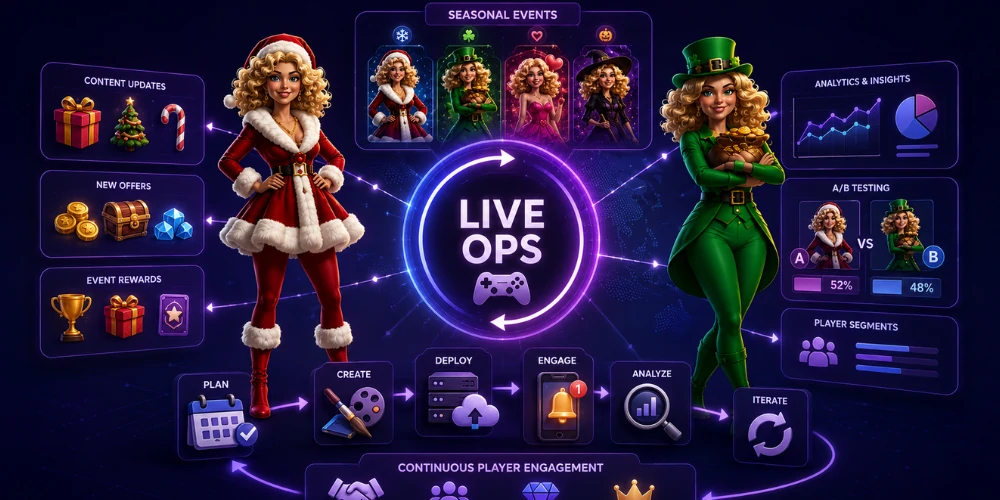
The role of a publisher has expanded significantly. Beyond funding and marketing, today’s leading publishers offer data-driven user acquisition, influencer and content creator programmes, and live-ops support post-launch. Some now co-develop titles from the concept stage, blurring the line between developer and publisher entirely.
At the same time, the rise of self-publishing tools on Steam, the App Store, and emerging platforms means developers have more leverage than before. Use that leverage. A publisher should bring something you genuinely cannot do alone – whether that’s a regional distribution network, a marketing budget, or platform relationships that take years to build.
| Publisher type | What they typically offer | Typical revenue split |
| Major publisher | Full funding, global marketing, platform deals | 30-50% to developer |
| Mid-tier publisher | Marketing, QA, localization support | 40-60% to developer |
| Indie-focused publisher | Community building, Steam visibility, PR | 50-70% to developer |
| Self-publishing | Full control, no advance | 100% to developer |
Key Factors to Consider When Choosing a Publishing Partner
1. Alignment of Vision and Values
Your publisher should share your vision for the game and respect your creative direction. Look for partners who are genuinely excited about your project and understand what makes it unique. Publisher who tries to change your core concept or push you toward trends that don’t fit your game may not be the right fit.
2. Track Record and Reputation
Research potential publishers thoroughly. Examine their portfolio – what types of games have they published? How successful were those titles? Talk to other developers who have worked with them. A publisher’s reputation in the industry is a strong indicator of how they treat their partners and the level of support you can expect.
3. Marketing and Distribution Capabilities
The publisher’s ability to market and distribute your game is crucial. Ask about their marketing strategies, press relationships and experience with your target platforms. Do they have a proven track record of launching games similar to yours? Can they help you reach international markets?
4. Financial Terms and Revenue Share
Understand the financial terms of any publishing deal. What percentage of revenue will you receive? Are there advances or milestone payments? Be careful with deals that seem too good to be true or that require you to give up too much control or ownership. Always consult with a legal professional before signing any contract.
5. Support Services
Beyond funding and marketing what other support does the publisher offer? This might include quality assurance, localization, community management or technical support. The more comprehensive support, more you can focus on making your game the best it can be.
6. Communication and Transparency
Effective communication is the foundation of any successful partnership. Choose a publisher who is transparent about their processes, timelines and expectations. Regular updates, clear feedback and open dialogue are essential for smooth collaboration.
Steps to Finding the Right Publisher
1. Define Your Needs and Goals
Before reaching out to publishers clarify what you need from a partnership. Are you looking for funding, marketing, distribution or all of the above? What are your goals for the game’s release? Having a clear understanding of your priorities will help you identify publishers who can meet your needs.
2. Research and Shortlist Publishers
Create a list of publishers who specialize in your genre or platform. Attend industry events, participate in online forums and network with other developers to gather recommendations. Look for publishers who have history of supporting games like yours.
3. Prepare a Strong Pitch
Your pitch should clearly communicate your game’s unique selling points, target audience, development status and what you’re seeking from a publisher. Include a playable demo if possible, as this gives publishers a tangible sense of your game’s potential.
4. Evaluate Offers Carefully
When you receive offers, don’t rush into a decision. Compare the terms, support and vision alignment of each publisher. Ask questions, request references and negotiate terms that protect your interests.
5. Build a Relationship
Once you’ve chosen publisher, focus on building a strong, collaborative relationship. Set clear expectations, maintain open communication and work together toward a successful launch.
Pros and Cons of Working with a Game Publisher
Working with a publisher is not the right move for every studio or every game. Here is an honest breakdown.
Pros:
- Access to funding before the game is complete
- Established marketing channels and press relationships
- Platform certification support and technical QA
- Localisation and community management at scale
- Credibility and visibility that independent launches often lack
Cons:
- Partial or full loss of creative control depending on the deal
- Revenue share reduces your long-term earnings
- Contractual obligations can restrict future projects
- Timelines and launch decisions may no longer be yours to make
- A bad-fit publisher can damage your studio’s reputation
The right deal protects your creative vision while giving you the resources to compete. If a publisher is not offering both, keep looking.
Common Pitfalls to Avoid
- Rushing the Decision: Take your time to evaluate publishers and deals. A hasty decision can lead to regret down the line.
- Ignoring the Fine Print: Always read contracts carefully and seek legal advice. Understand what rights you’re giving up and what you’re getting in return.
- Overlooking Cultural Fit: Publisher’s company culture and working style should complement your own. Misalignment can lead to misunderstandings and frustration.
- Focusing Only on Money: While funding is important, it shouldn’t be the only factor. Consider the full range of support and expertise the publisher offers.
Encouragement for Developers
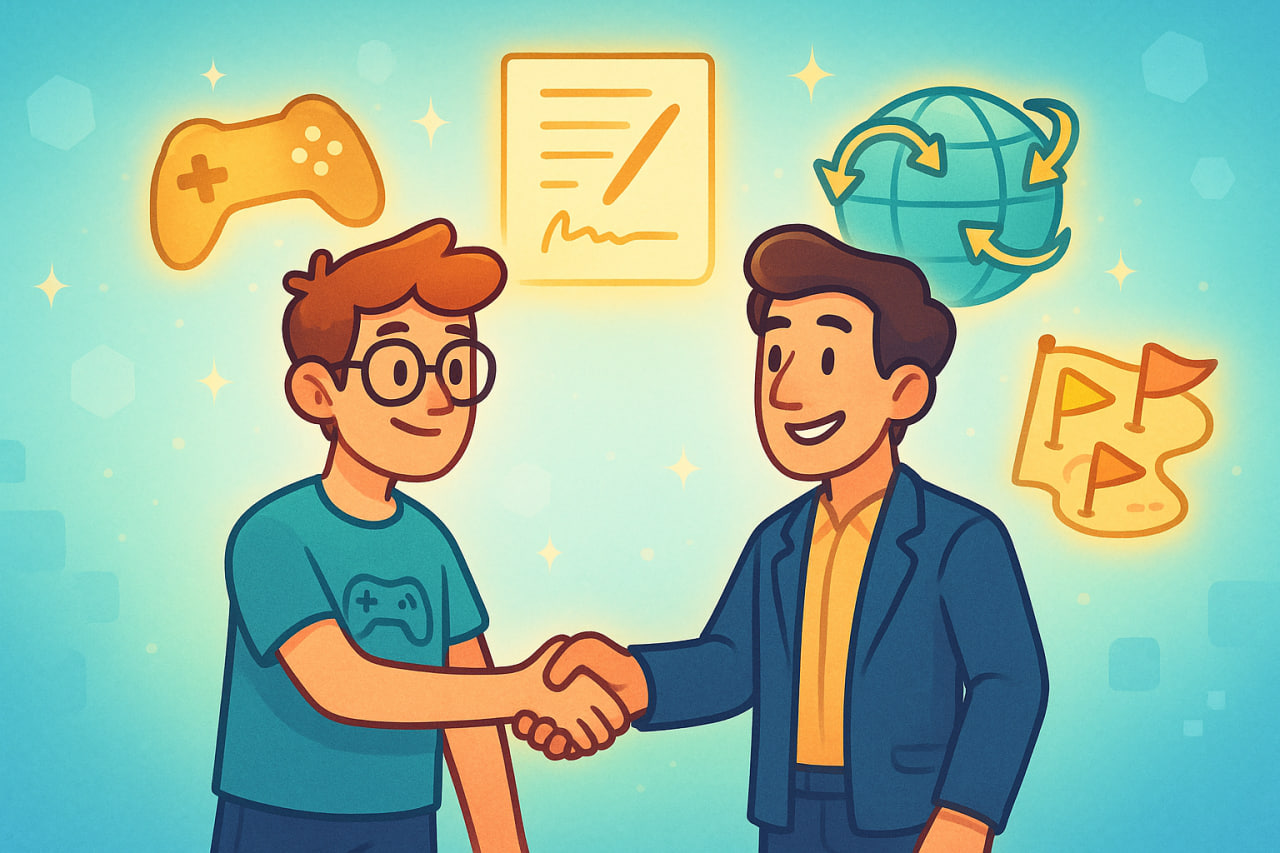
Choosing a publishing partner is a significant milestone in your game development journey. It’s the process that requires research, patience and self-reflection. Remember that the right publisher is not just a financier – they are a collaborator who believes in your vision and is committed to helping your game succeed.
Don’t be discouraged by setbacks or rejections. Every interaction is an opportunity to learn and refine your approach. Stay true to your creative vision, be proactive in seeking the right fit and trust that the right partnership will help your game reach its full potential.
Whimsy Games
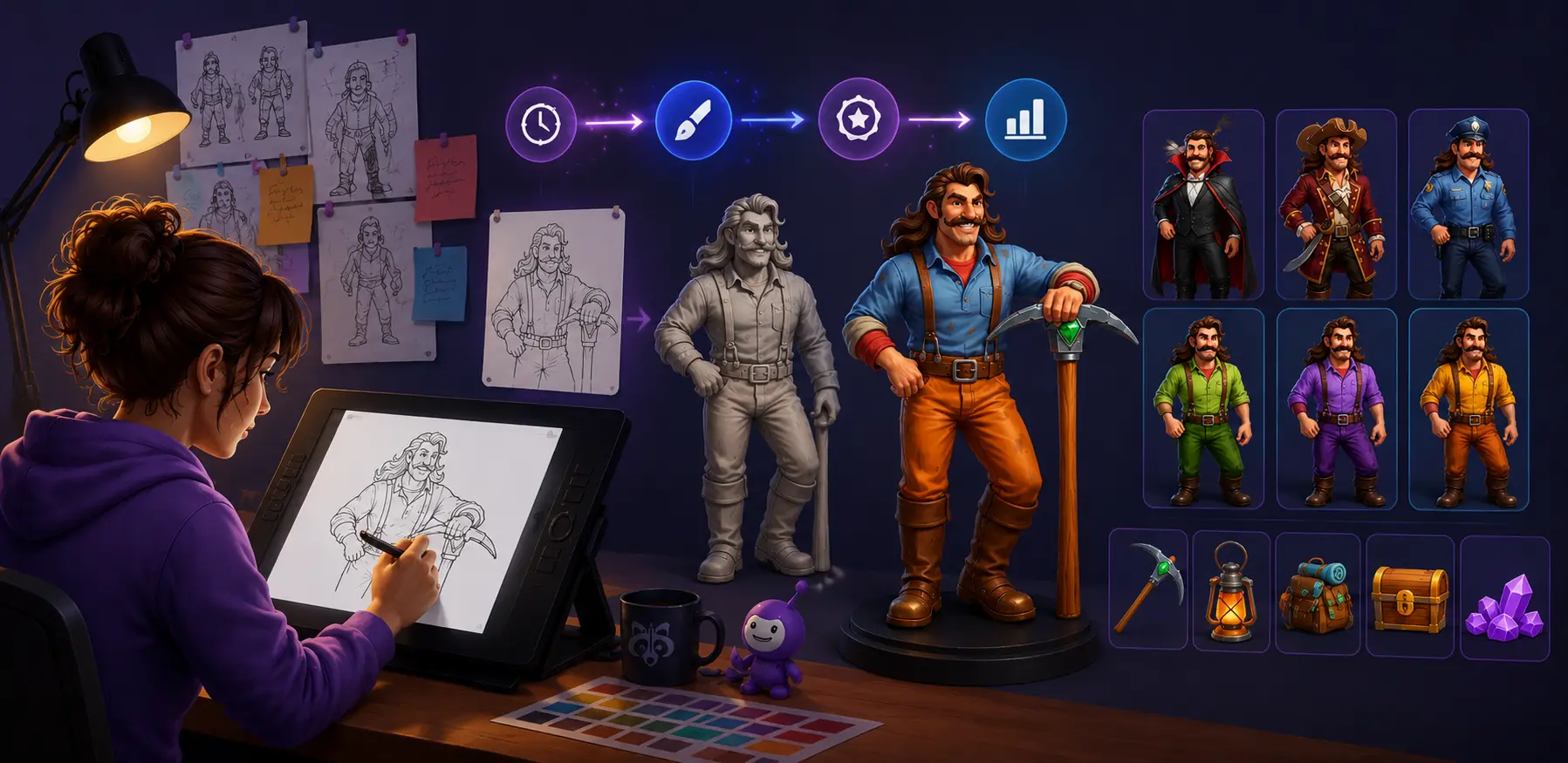
At Whimsy Games, we specialise in full-cycle game development – from concept and art to engineering, QA, and live-ops. We do not operate as a publisher, but we work closely with studios at every stage of the publishing journey.
We can help you prepare a compelling pitch, ensure your build is technically ready for submission, and connect you with trusted publishing partners from our industry network. Post-launch, we stay by your side with rapid iterations, updates, and technical support to keep your game performing at its best.
Find more of our projects here.

Conclusion
Game publishing and distribution are complex but rewarding aspects of bringing a game to market. By carefully considering your needs, researching potential partners and prioritizing alignment and communication, you can find a publisher who will support your vision and help your game shine. Journey may be challenging but with the right partner by your side your game can find its audience and make a lasting impact in the world of gaming.