

Augmented and Virtual Reality App Development
Enter the New Dimension of Business: AR and VR Tailored for Your Success!
professionals
creating top-notch games
years
in the game industry
developed
games
clients
trust our expertise
About us
Our team of passionate creatives and skilled developers works together to craft immersive experiences that not only captivate but also deliver tangible results for your business. We pride ourselves on our ability to blend cutting-edge technology with strategic insight, ensuring that every solution we provide is perfectly aligned with your goals.
Built with Unity XR toolkit for cross-platform VR/AR deployment, our solutions emphasize quality, scalability, and user engagement. We’ve partnered with businesses across various industries to bring their AR and VR visions to life. Whether you’re looking to revolutionize customer interactions, streamline operations, or create impactful marketing campaigns, our expertise and commitment make us the ideal partner for your next project.
At Whimsy Games, we believe in pushing the boundaries of what’s possible and helping you navigate the future of business through the power of AR and VR technology.
We Offer:
AR and VR App Development
Crafting immersive applications for business enhancement and customer engagement
VR Simulation
create fully immersive environments for training, simulations, or entertainment, leading to better retention of information and skills
AR Product Visualization
Enabling customers to interact with your products in a virtual space before purchasing
UI/UX Design
Designing intuitive and engaging interfaces for seamless user experiences in AR and VR
Advanced Graphics
Utilization of cutting-edge 3D modeling and rendering techniques for lifelike visuals
AR and VR App Development
Crafting immersive applications for business enhancement and customer engagement
VR Simulation
create fully immersive environments for training, simulations, or entertainment, leading to better retention of information and skills
AR Product Visualization
Enabling customers to interact with your products in a virtual space before purchasing
UI/UX Design
Designing intuitive and engaging interfaces for seamless user experiences in AR and VR
Advanced Graphics
Utilization of cutting-edge 3D modeling and rendering techniques for lifelike visuals
Why Us
- 01
We specialize in the latest AR and VR technologies, ensuring your business stays ahead of the curve.
- 02
You’re all set! This content reads as if it is human-written.We make it a priority to truly understand what you need and create solutions that fit perfectly with your goals.
- 03
We’re with you every step of the way, working together to turn your vision into reality
- 04
From concept to launch and beyond, we provide full-cycle support to ensure your project’s success.
- 05
Your satisfaction is our priority, and we are committed to delivering results that exceed your expectations.
- 06
We design AR and VR applications that can grow and adapt as your business evolves.
How We Work
Consultation
We begin by understanding your business objectives and how AR and VR can support them.
01
Conceptualization
We brainstorm and create a detailed project plan, including timelines and deliverables.
02
Development
Our skilled developers bring your vision to life using the latest AR and VR technologies.
03
Testing
Rigorous testing ensures a flawless user experience and performance.
04
Deployment
We launch your AR and VR application across all intended platforms.
05
Ongoing Support
We provide continuous maintenance and updates to keep your app performing at its best.
06
Features
 Scalable Solutions
AR and VR apps that grow with your business.
 High-Performance Graphics
Stunning visuals that enhance realism and immersion.
 Cross-Platform Compatibility
Access your AR and VR apps on any device.
 Data-Driven Insights
Analytics and insights to optimize your AR and VR solutions.
 User-Centered Design
Interfaces designed with your audience in mind.
The Value of Whimsy Games
- Time Savers
- Easy Power-Ups
- Smart Spending
- Top Quality
Ready, Set, Go!
No waiting for respawns. We’re fast and always game to start!
Level Up Instantly!
Scale your project like a pro, from pixel beginnings to epic quests.
Win More, Spend Less!
Get legendary results without emptying your loot chest.
Play Flawlessly!
Every project gets our champion-level QA. No bugs allowed!
We strive for excellence









Projects we’ve Brought to life
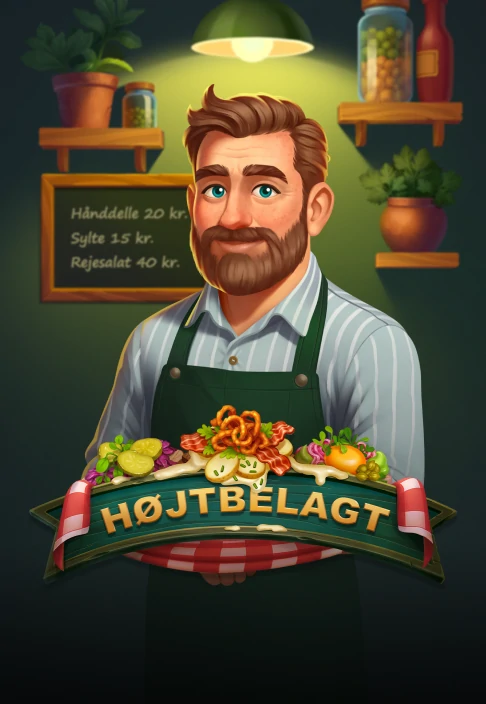
Højtbelagt Game
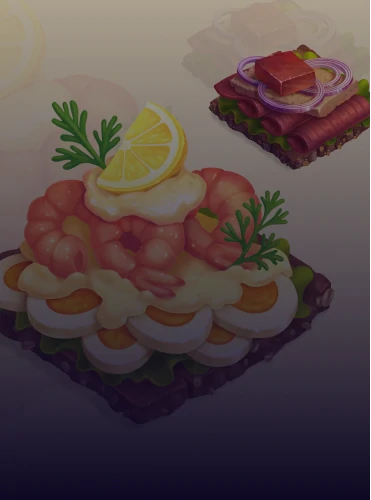
Højtbelagt Game is a visually stunning National Lottery project. Every ingredient — from fresh rye bread and creamy sauces to vibrant toppings — is meticulously crafted through detailed 2D art, smooth animations and polished UX/UI design.
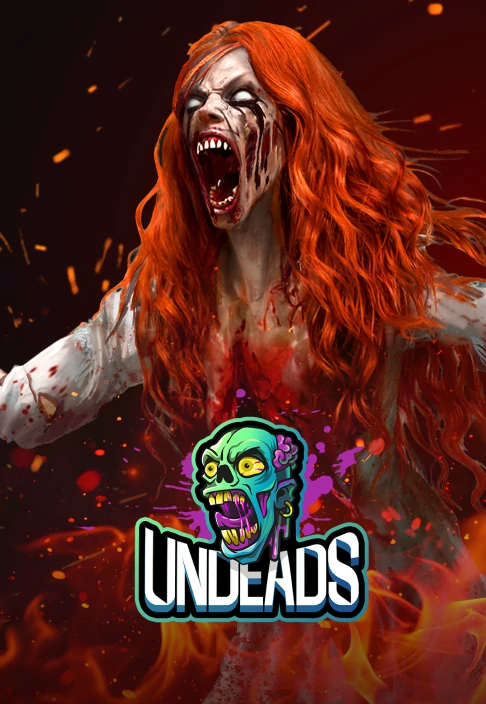
Undeads: Сharacters
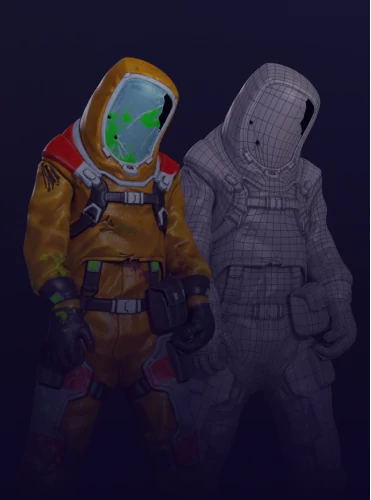
A refreshed collection of zombie character artwork created to modernize the game’s visual identity. Our artists enhanced existing designs with richer details, terrifying expressions, realistic textures, and polished rendering while preserving the dark atmosphere and unique style of the Undeads universe.
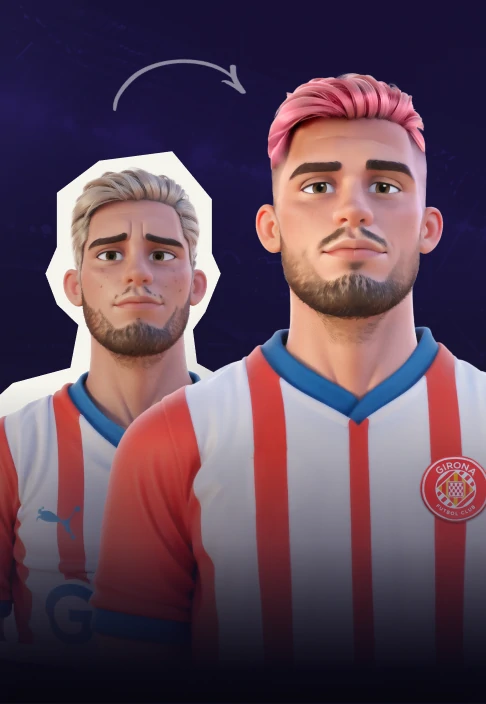
NFT Spanish Soccer
We collaborated on creating a unique NFT collection platform celebrating Spanish soccer, where fans could collect, trade, and explore digital representations of their favorite players. The goal was to craft high-quality, personalized artworks that capture the essence of each footballer and enhance the collectible value of NFTs.
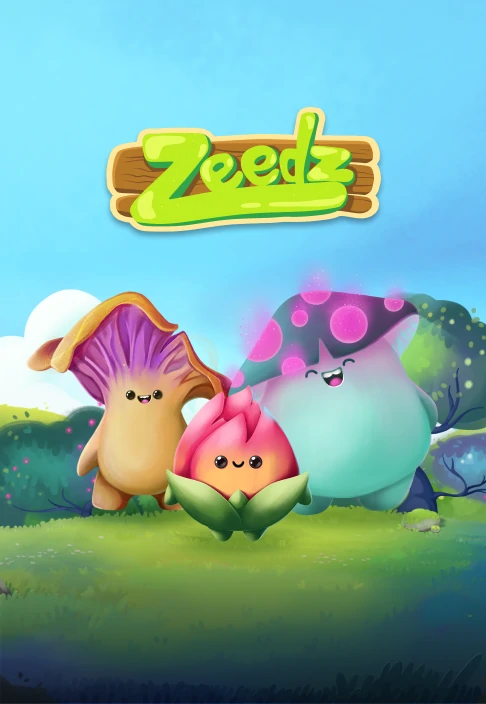
Zeedz
Zeeds is a play-for-purpose mobile game where players reduce carbon emissions by collecting and growing plant-inspired creatures, Zeedles. These eco-friendly NFTs evolve based on real-world weather and live on a sustainable blockchain.
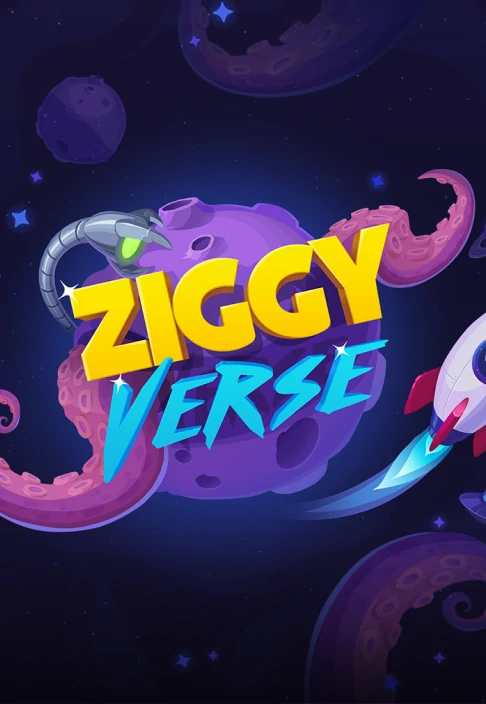
ZiggyVerse
Ziggy Verse is a vibrant turn-based strategy RPG where players build a team of unique monsters and engage in tactical 3v3 battles across a colorful alien universe. The project was designed to deliver a casual yet strategic gameplay experience, combining collectible mechanics with deep combat tactics.
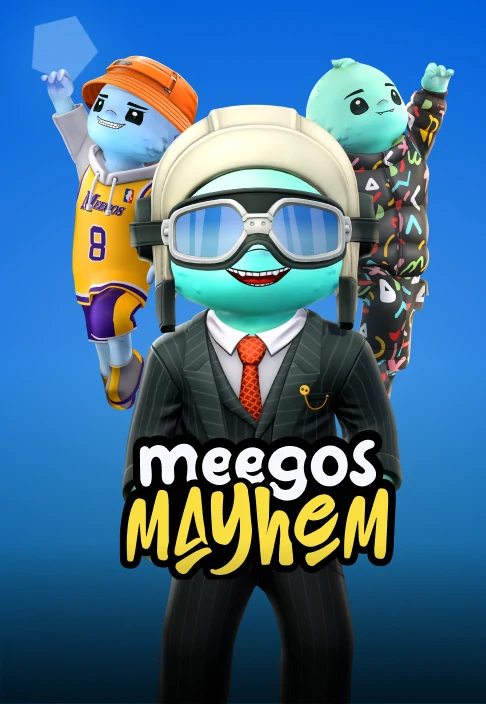
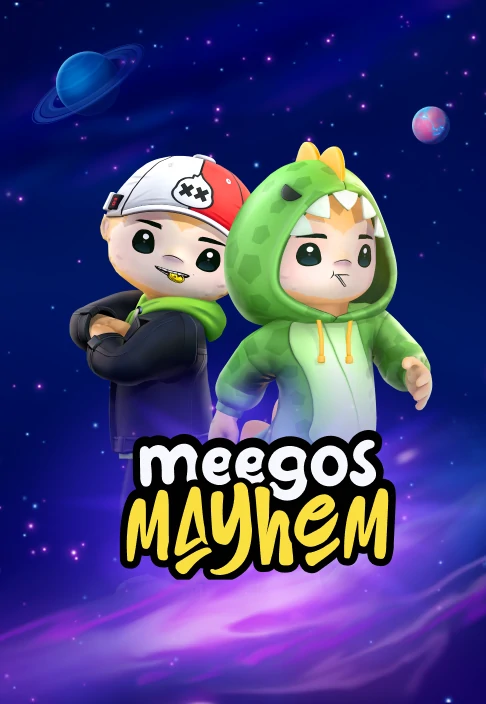
Meegos Mayhem
Meegos Mayhem is an action-packed multiplayer party game blending obstacle course racing with chaotic ragdoll physics and elimination battles. Designed to deliver fun, unpredictable gameplay for both casual and competitive players, it offers ever-changing maps and cooperative challenges.
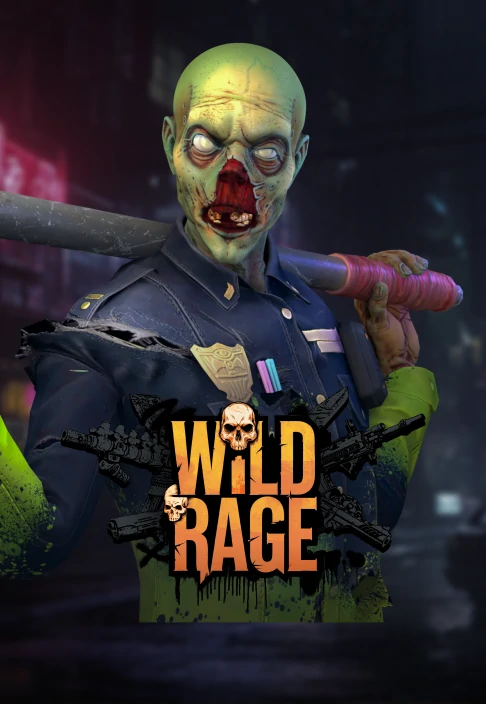
Wild Rage
Wild Rage – Battle Royale and Metaverse survival RPG on PC/Steam with dynamic world, immersive gameplay, and strategic combat.
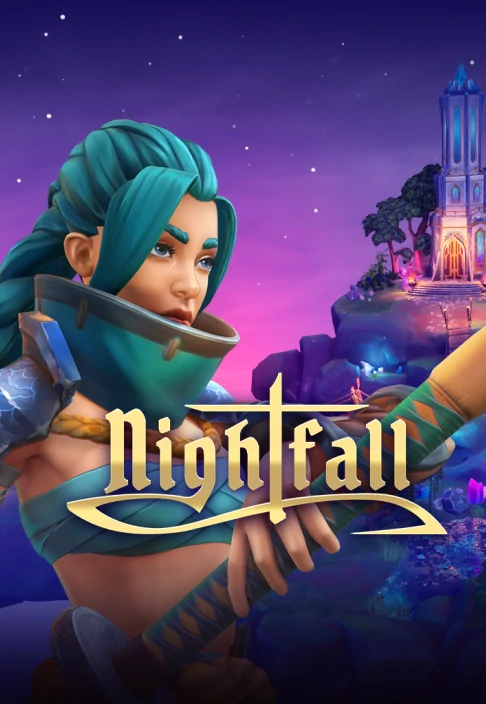
NightFall
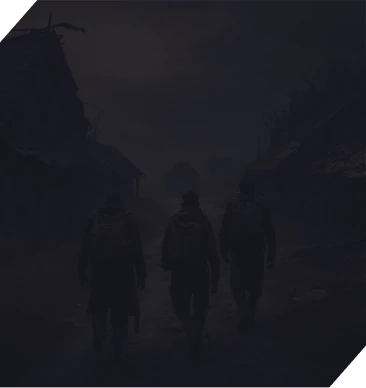
The project involved full-cycle production, covering development, game design, and seamless integration into a polished, high-quality final product. NightFall is a 3D fantasy adventure built in Unreal Engine, featuring a strongly immersive environment and a memorable cast of charismatic characters.
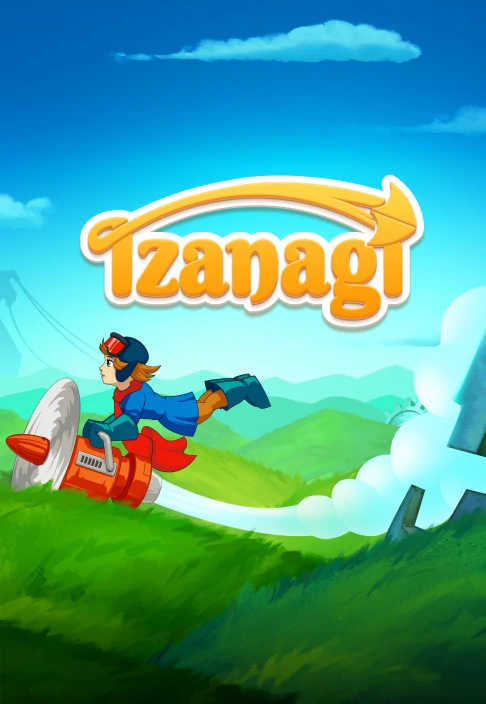
Izanagi
Izanagi is a dynamic arcade runner featuring skillful piloting through a maze of traps. Our team delivered complete development, including 2D art, Spine animations, VFX, UX/UI design, and game programming.
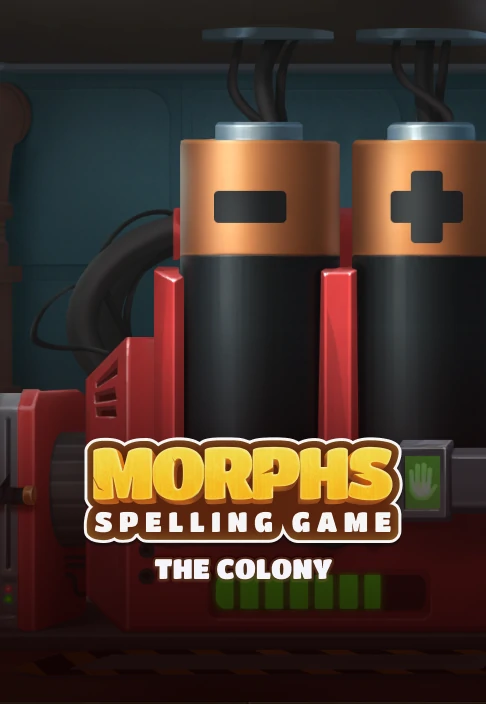
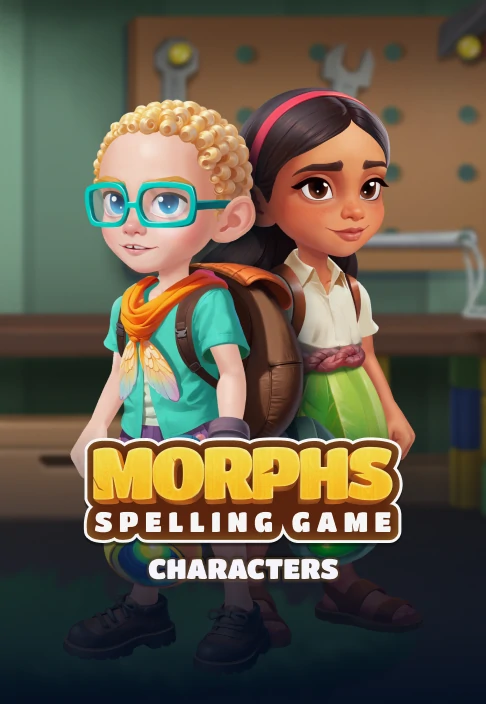
The Colony in Spelling Game
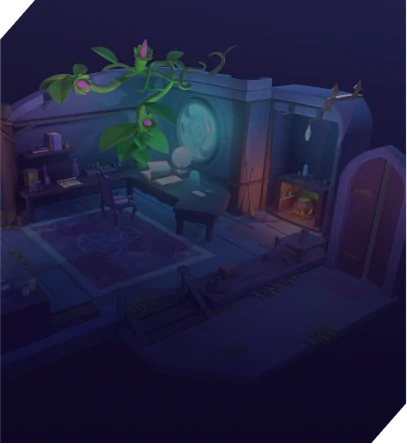
The Colony in Spelling Game is a set of interactive rooms where players complete spelling challenges through gameplay. Each space is designed to guide learning through exploration, visual cues, and engaging tasks.
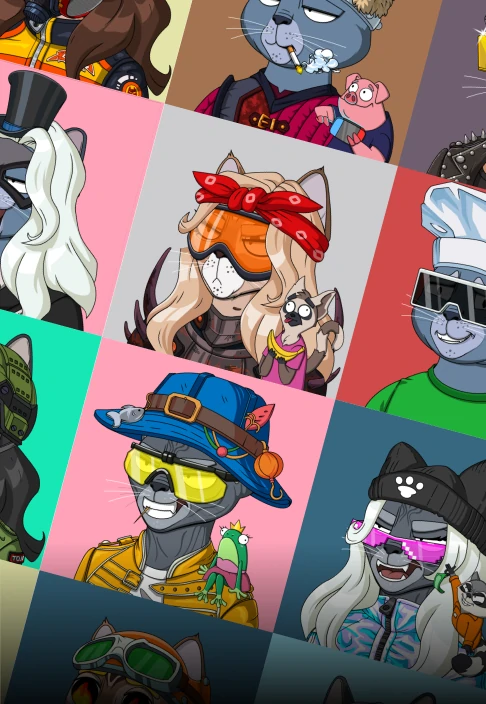
NFT Collections
NFT Collections encompasses full development and art, concentrating on the creation of unique digital assets through NFTs. With a diverse array of character styles, it enables players to collect and utilize these assets within games. This innovative approach enriches gameplay with distinctive visuals and valuable collectibles.
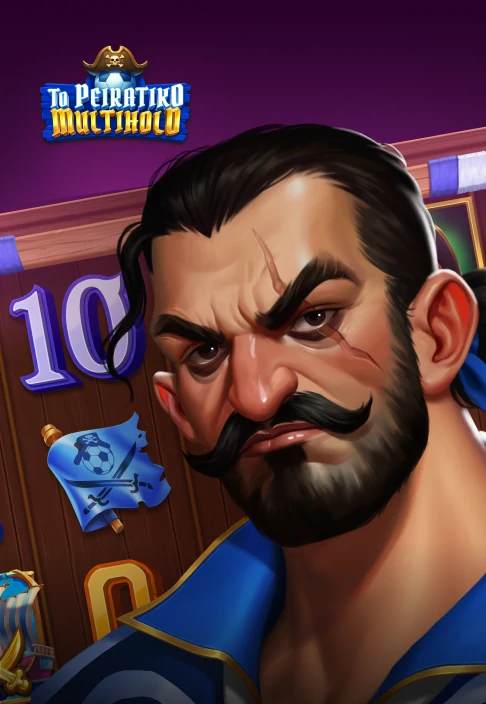
To Peiratiko Multihold
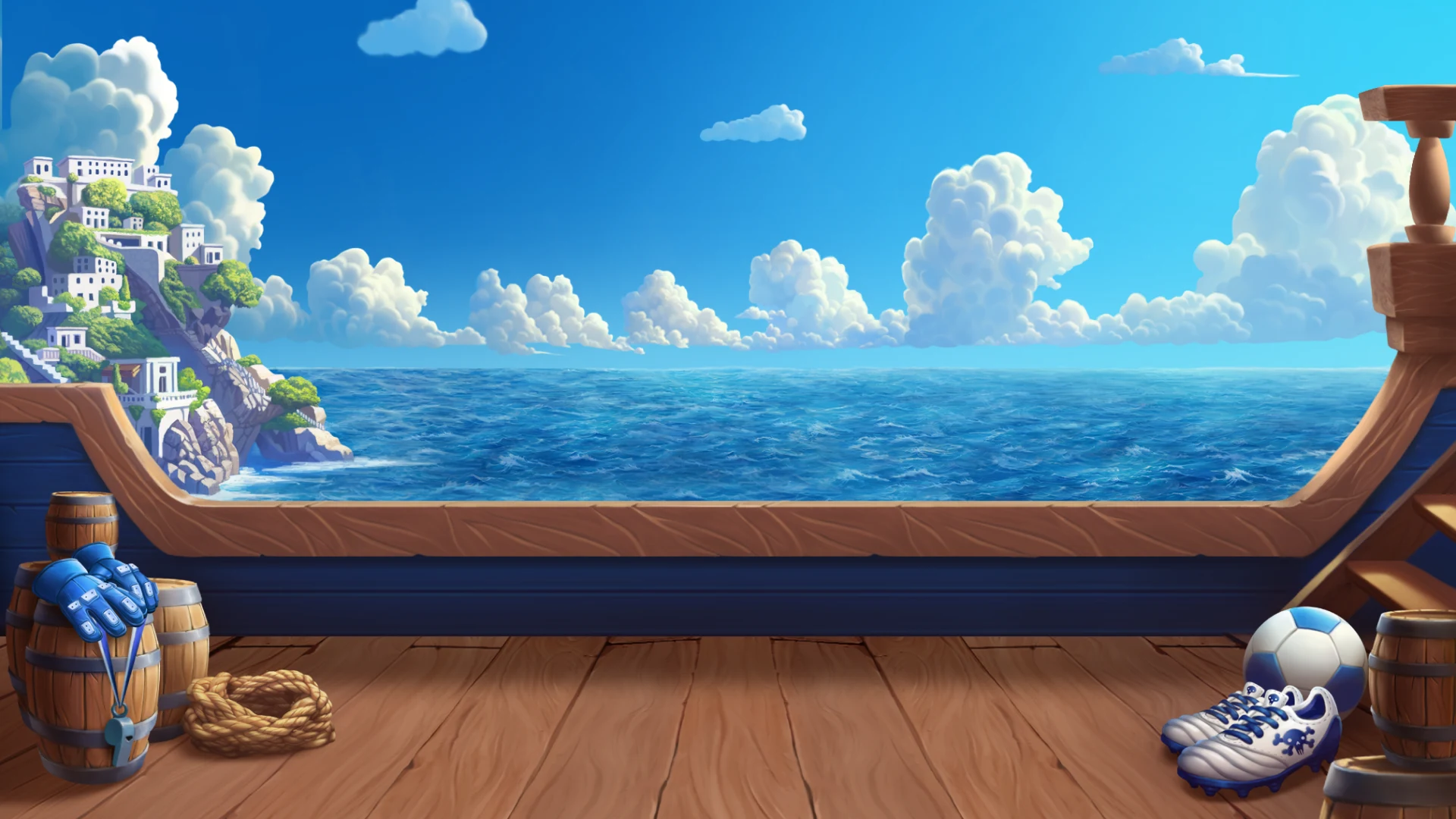
To Peiratiko Multihold is a thrilling slot game that takes players on a high-seas adventure with a unique gameplay twist. With its captivating pirate theme and engaging mechanics, this game offers an exciting experience for slot game enthusiasts seeking something fresh and entertaining.
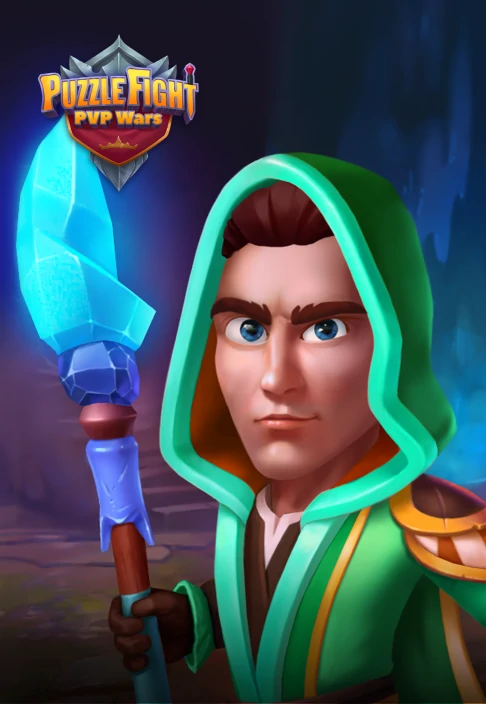
Puzzle Fight
Puzzle FightPuzzle Fight: PvP Wars blends casual match-3 mechanics with the strategic depth of mid-core battlers. Players assemble hero squads and engage in real-time PvP battles in a mystical fantasy world, combining puzzle-solving with dynamic combat scenarios.
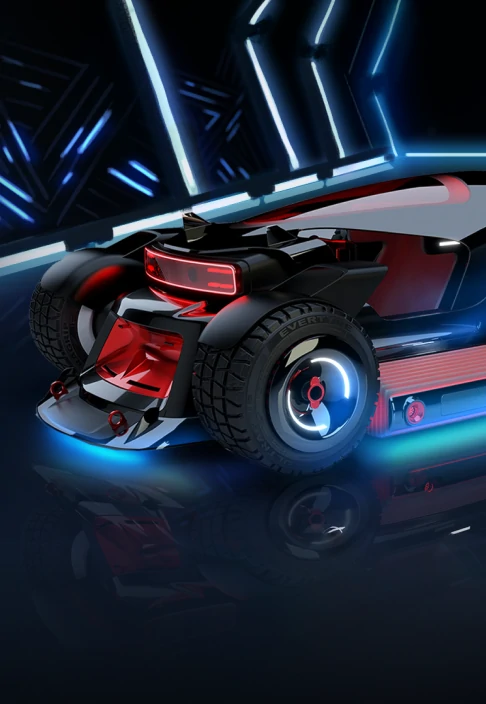
Metakarts
Metakarts is a casual sci-fi racing game. Our team provided development, concept art, 3D modeling, and UX/UI design. The game features intuitive controls and stylish visuals, delivering an engaging and accessible racing experience for a wide audience.
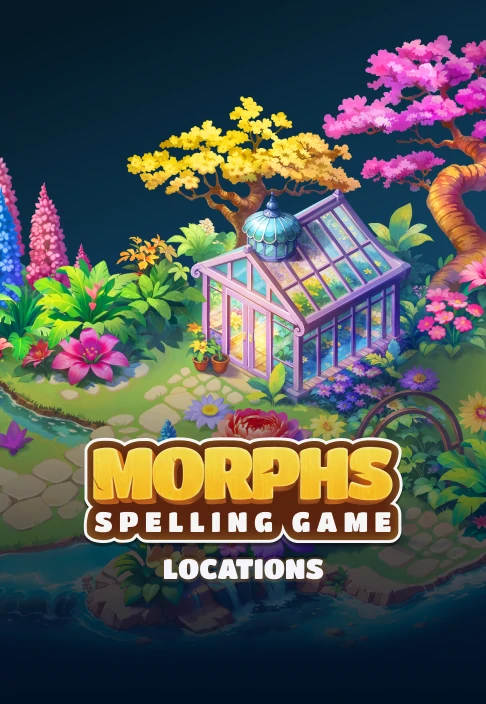
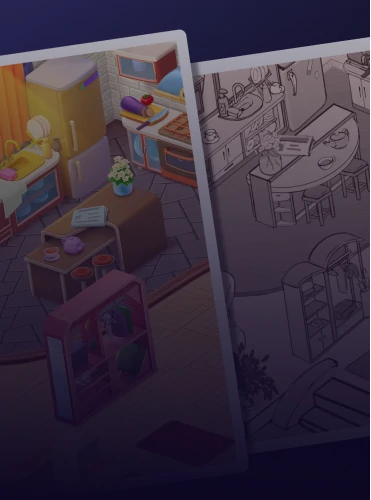
SPELLING GAME – LOCATIONS
Spelling Game Locations feature a series of themed environments designed to support learning through visual context. Each location combines interactive gameplay with carefully crafted visuals to make spelling more engaging and intuitive.
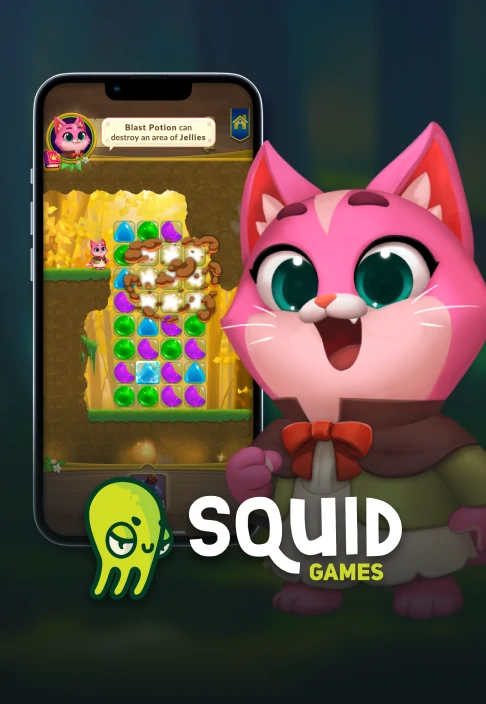
SquidGames
Squid Games is a dynamic platformer combined with match-3 elements, designed exclusively for mobile. Players navigate challenges while enjoying vibrant visuals and engaging mechanics.
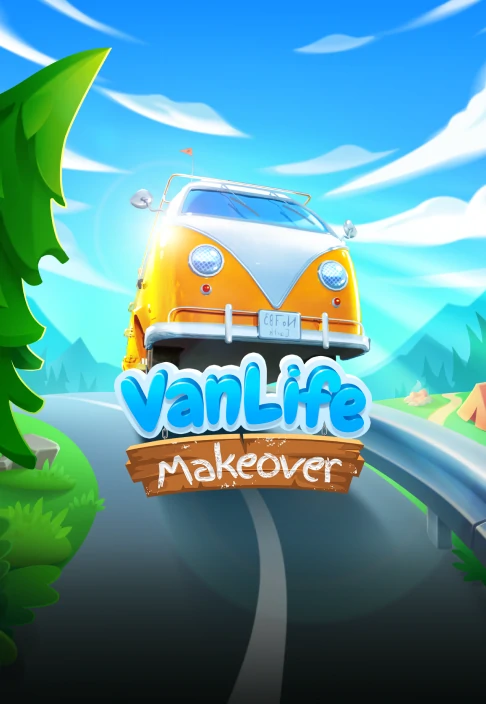
VanLife
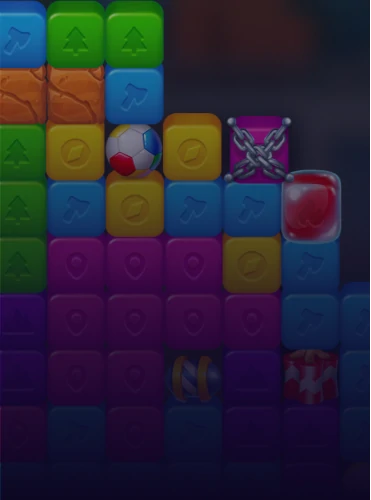
This project encompasses a full development cycle and art, offering a vibrant and engaging experience. VanLife is a Match 2 game with a bright design and friendly characters that immerse players in the atmosphere of camping and traveling. Players complete Match 2 levels and spend coins to build their dream van.
Game development services and art solutions
Frequently Asked Questions
What are the key benefits of AR and VR applications for businesses?
AR and VR applications offer several advantages for businesses across various industries. These technologies can enhance customer engagement by providing immersive experiences that go beyond traditional interactions. For example, AR can bring products to life in a virtual space, allowing customers to visualize them in real-world environments before making a purchase. VR, on the other hand, can create fully immersive environments for training, simulations, or entertainment, leading to better retention of information and skills. Additionally, AR and VR can streamline operations by enabling virtual prototyping, remote collaboration, and real-time data visualization. These benefits not only improve customer satisfaction but also lead to increased efficiency and innovation within the business.
How do AR and VR technologies integrate with existing business systems?
AR and VR technologies are designed to complement and enhance existing business systems rather than replace them. Integration typically involves the use of APIs, middleware, and software development kits (SDKs) that allow AR and VR applications to communicate with your current systems. For example, an AR app can be integrated with an e-commerce platform to allow customers to visualize products in their environment before purchasing. VR training modules can be linked to a company’s learning management system (LMS) to track progress and outcomes. This seamless integration ensures that AR and VR solutions can be smoothly adopted without disrupting existing workflows, making the transition to these new technologies more efficient and effective.
What industries can benefit most from AR and VR solutions?
While AR and VR technologies have applications across numerous industries, certain sectors can particularly benefit from their implementation. Retail businesses, for example, can use AR to enhance the shopping experience by allowing customers to virtually try on clothes or see how furniture would look in their homes. The healthcare industry can leverage VR for training simulations, offering a safe environment for medical professionals to practice procedures. The real estate sector can use VR to provide virtual tours of properties, giving potential buyers an immersive experience from anywhere in the world. Manufacturing and engineering industries can benefit from AR by using it for real-time visualization of complex data and processes, improving efficiency and reducing errors.
What is the difference between AR and VR, and how do I decide which is best for my business?
AR (Augmented Reality) overlays digital content onto the real world, enhancing the user’s environment with additional information or interactive elements. VR (Virtual Reality), on the other hand, immerses users in a completely digital environment, disconnecting them from the physical world. To decide which is best for your business, consider your goals and the type of experience you want to create for your users. AR is ideal for enhancing real-world experiences, like product visualization or interactive marketing. VR is better suited for fully immersive experiences, such as virtual tours or training simulations. We can help you assess your needs and determine which technology aligns best with your objectives.
What challenges should businesses expect when implementing AR and VR technologies?
Implementing AR and VR technologies can present several challenges, including high initial costs, technical complexities, and the need for specialized skills. Developing AR and VR applications requires significant investment in hardware and software, as well as expertise in 3D modeling, animation, and user experience design. Businesses may also face challenges in integrating these new technologies with existing systems, requiring careful planning and coordination. Additionally, ensuring a smooth user experience across different devices and platforms can be complex, particularly when dealing with the varying capabilities of AR and VR hardware. Despite these challenges, the long-term benefits of AR and VR, such as increased customer engagement and operational efficiency, can make the investment worthwhile.
What our clients think about us