Why Cutting Costs on Game Art with AI Can Ruin a Great Game
AI in Game Development: A Double-Edged Sword
AI has gone from buzzword to battleground in game development. By 2026, tools like Midjourney, Stable Diffusion, and Adobe Firefly have become standard in creative pipelines – and the pressure on studios to cut art costs with AI has never been greater.
From procedural generation to NPC behaviors, AI is genuinely transforming how we build worlds. But one area where it consistently creates more problems than it solves is game art.
Studios chasing budget cuts are replacing professional artists with AI-generated assets. On paper, the logic is sound: faster production, lower overheads, unlimited iterations. In practice? The results are often disasters that players spot immediately – and share across social media within hours.
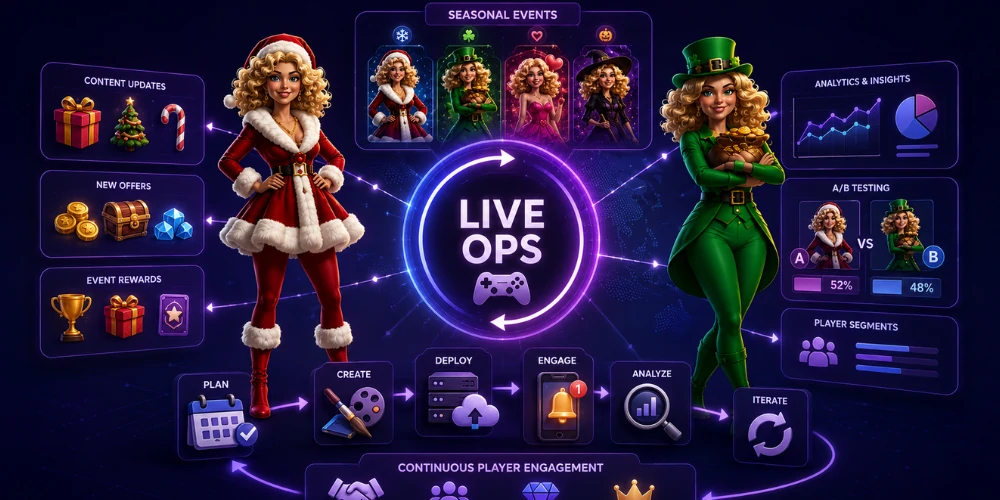
The most infamous example remains the six-fingered Santa in Call of Duty: Black Ops 6, where AI-generated loading screens sparked a wave of community backlash and forced Activision to issue a public admission. Since then, similar controversies have continued to surface across AAA and indie titles alike, making one thing clear: in 2026, players are more attuned to “AI slop” than ever before.
Other Real AI Fails in Game Art
Here are some of the most memorable “AI oops” moments in gaming:
Zombie Santa in Call of Duty (2024)
- Problem: AI-generated loading screens showed a Santa Claus with six fingers.
- Result: Community backlash, memes, and Activision’s admission of using generative AI.
Odd Anatomy in Indie Prototypes
- Many small studios experimenting with AI art end up with characters that have extra limbs, broken joints, or impossible poses. It saves money… until players laugh instead of playing.
Texture Mismatch in Early Builds
- Some developers rely on AI for environment textures. The outcome? Doors bigger than houses, shadows going the wrong way, forests made of melted broccoli.
Uncanny Valley NPCs
- AI character generation often creates faces that are 95% human, but the last 5% looks creepy. For horror games, that’s fine for everything else, not so much.
Generic Assets Syndrome
- AI art tools recycle patterns from datasets. The result: different games sharing the same armor designs, weapon textures, or fantasy landscapes. Players spot the déjà vu instantly.
Why AI Art Often Fails in Games
- Anatomy & details: Extra fingers, distorted faces, broken perspective.
- Inconsistency: Each prompt can look different, leading to asset clashes.
- Loss of uniqueness: AI reuses patterns from existing datasets, leading to generic-looking art.
- Backlash risk: Players don’t forgive “AI slop.” Social media amplifies every mistake.
The Whimsy Games Approach
At Whimsy Games, we don’t reject AI but we know where it belongs.
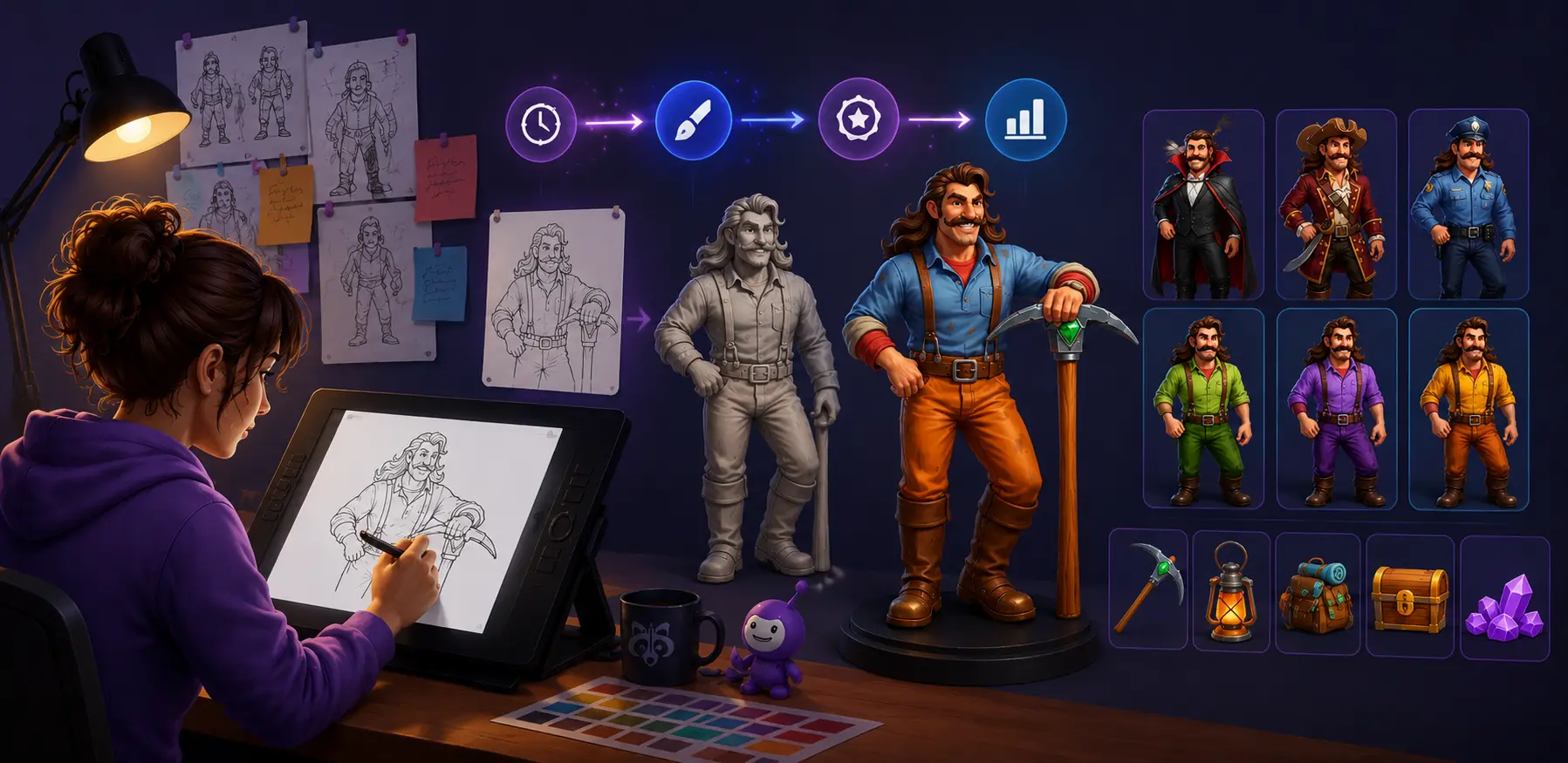
- Sketching: Generating quick moodboards, silhouettes, and visual ideas.
- Prototyping: Speeding up iterations without blocking the creative process.
- Brainstorming: Testing crazy concepts before artists refine them.
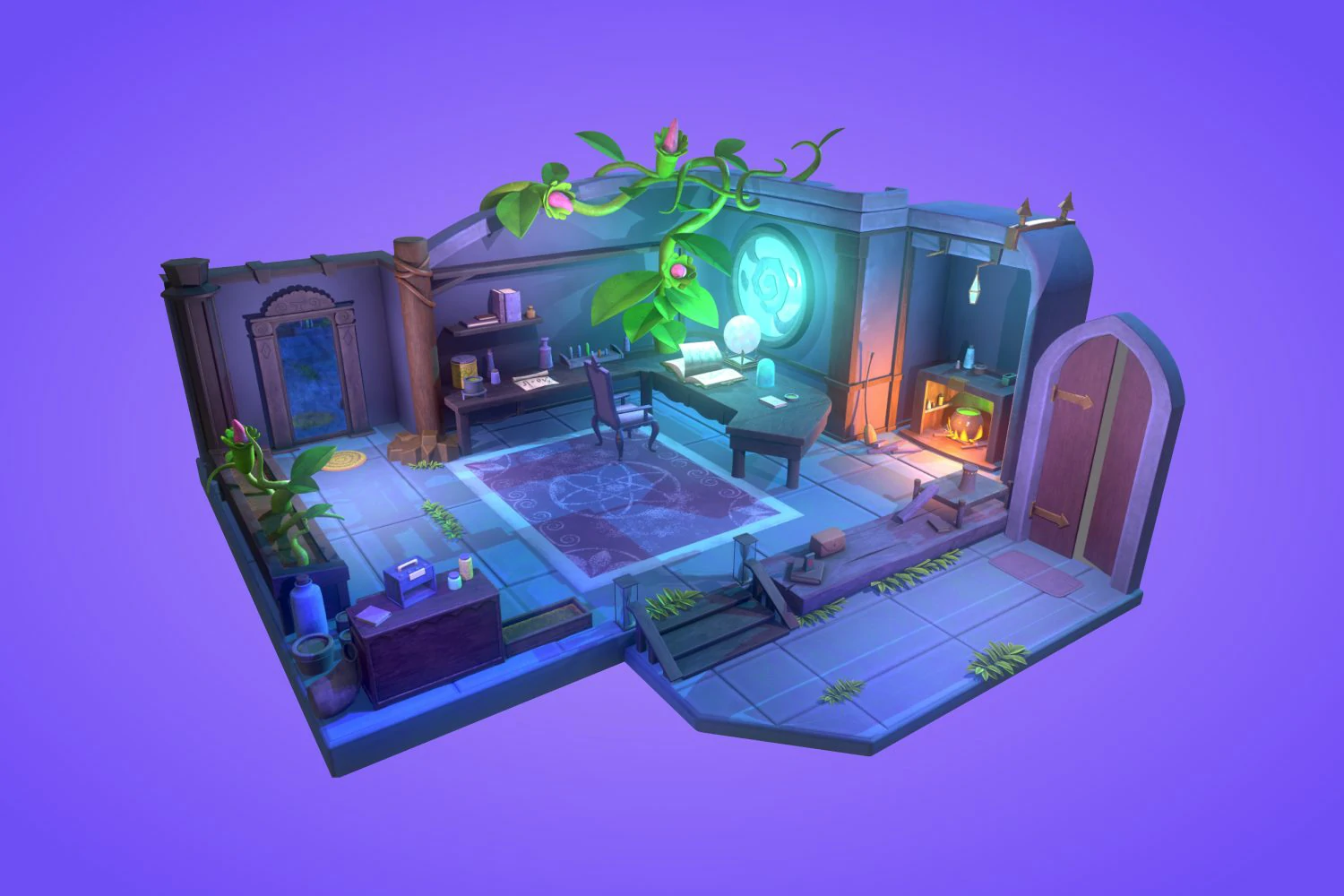
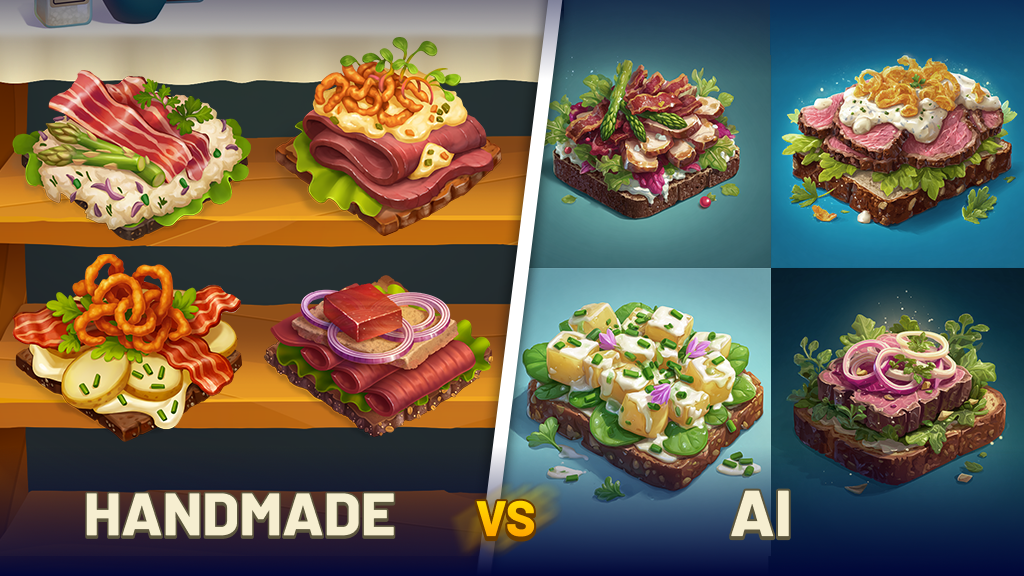
Final assets? Always handcrafted. Characters, environments, VFX, UI these define immersion. No AI shortcut can replace a professional artist’s eye for detail and storytelling.
Why Human Artists Still Matter
- Emotion & storytelling: Art isn’t just pixels — it’s what makes players feel.
- Consistency: A team of artists ensures a unified style across all assets.
- Polish: From lighting to micro-expressions, details separate “good enough” from “award-winning.”
AI as a Tool, Not a Replacement
Think of AI as the brush, not the painter. It can accelerate workflows, but it cannot replace vision, creativity, or soul. And in gaming, art is the soul of the experience.
At Whimsy Games, our motto is simple:
AI helps us move faster, but artists make it unforgettable.